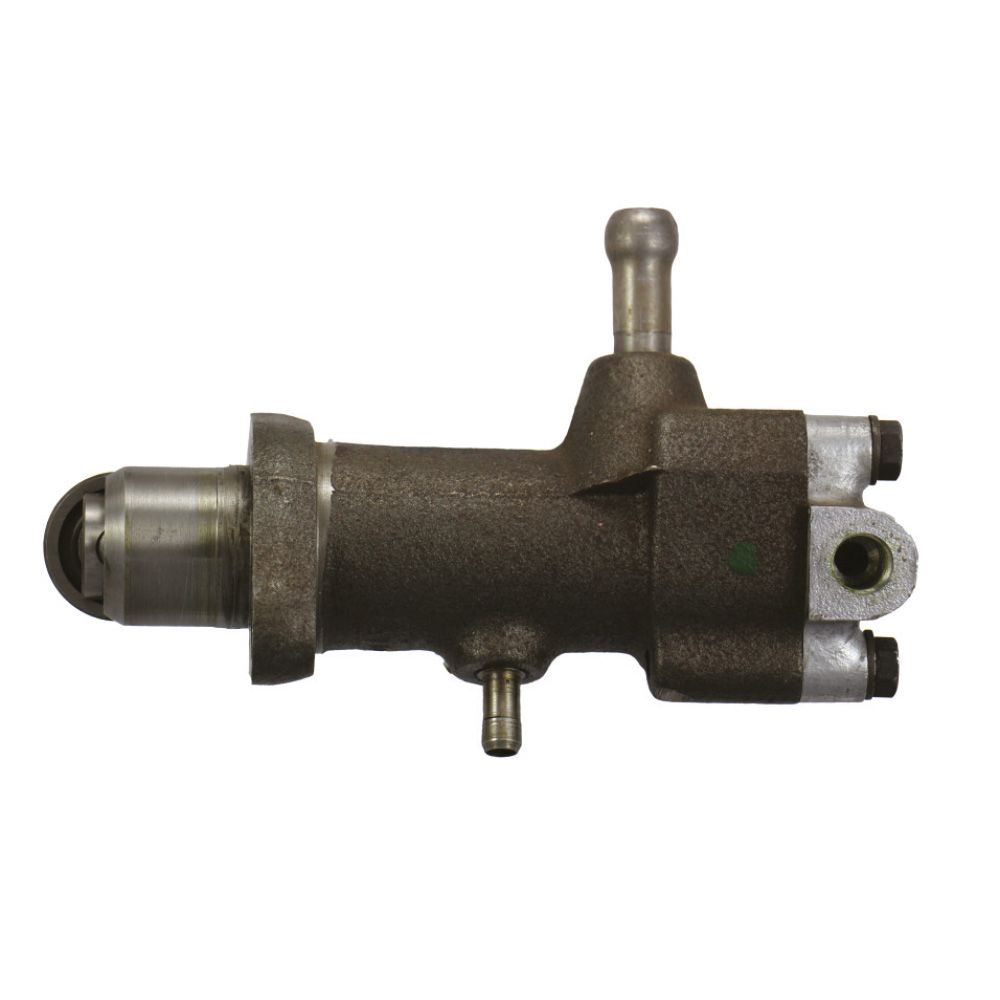
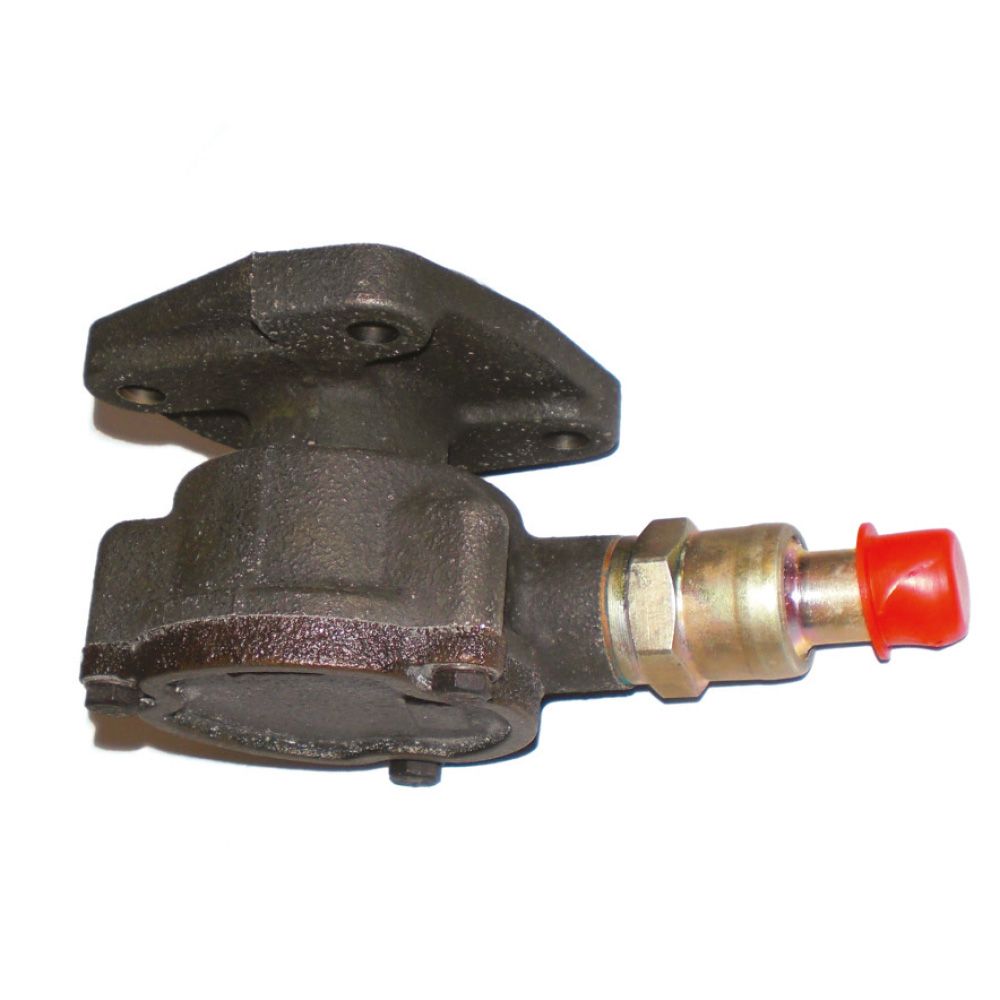
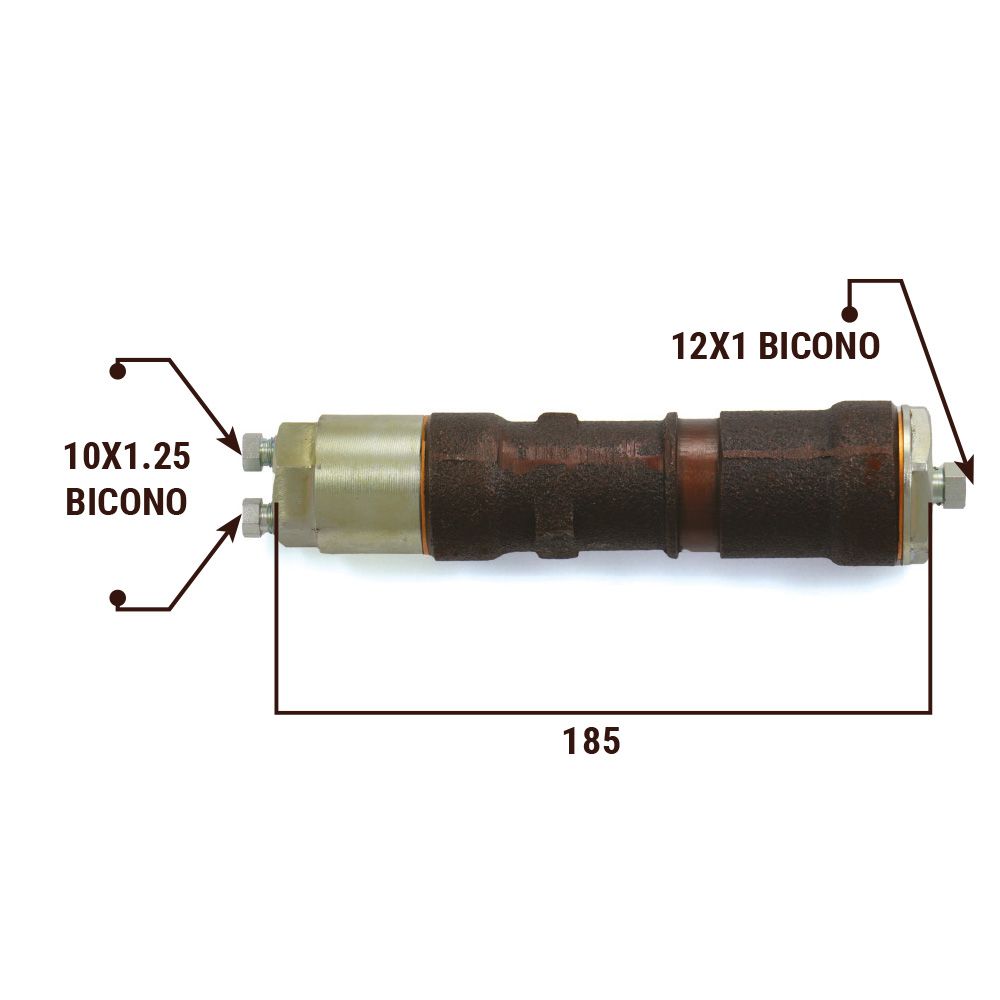
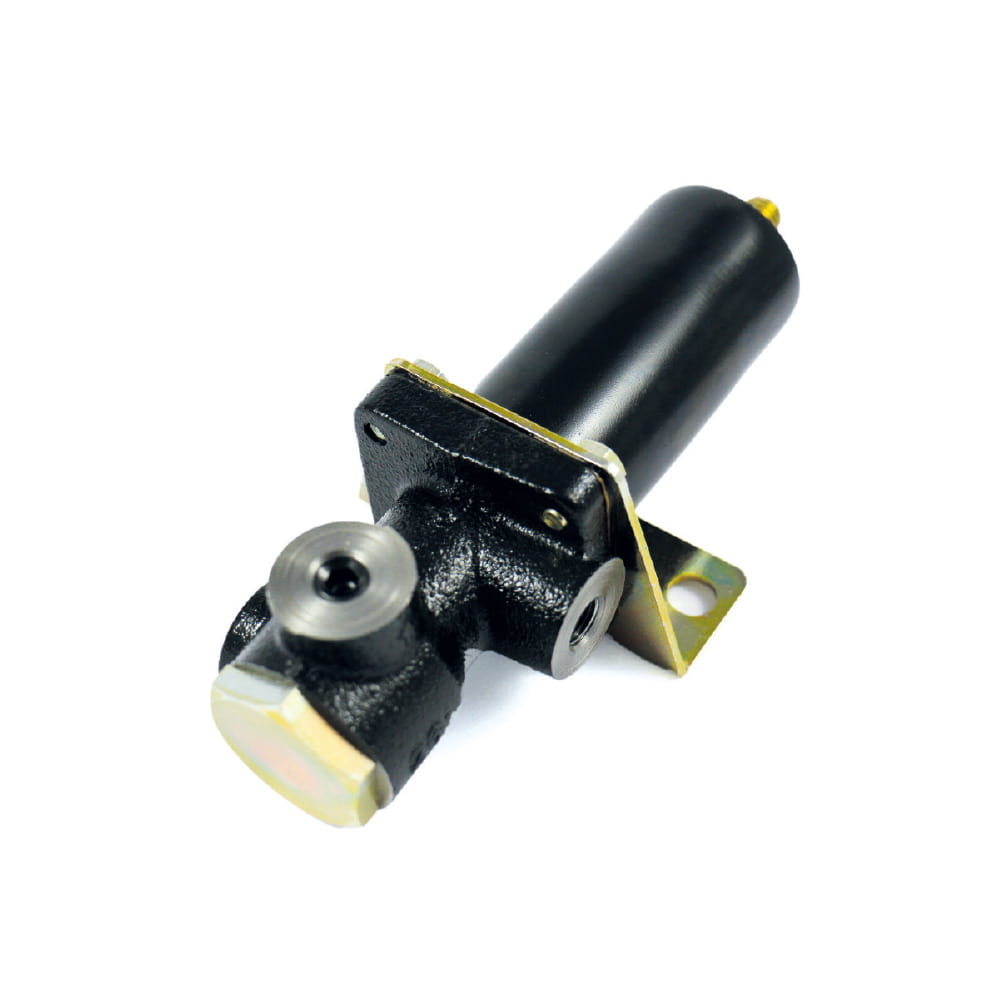
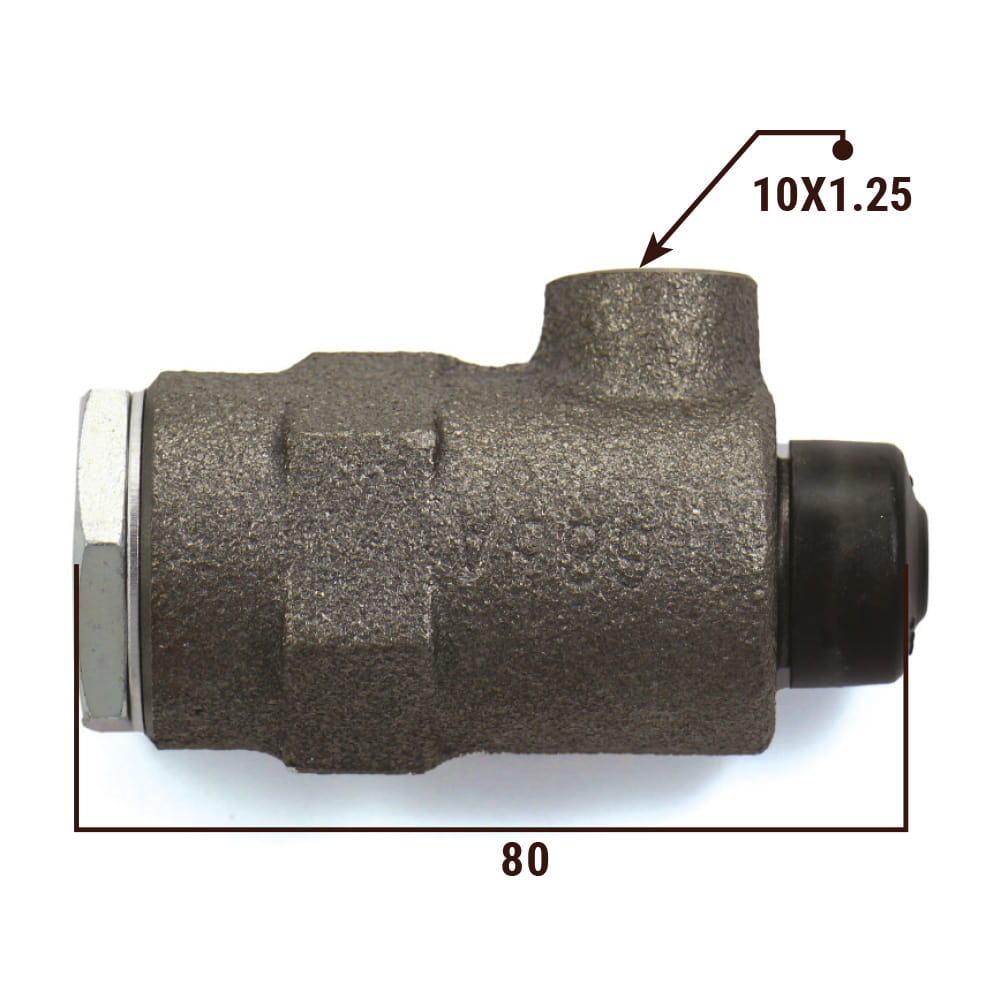
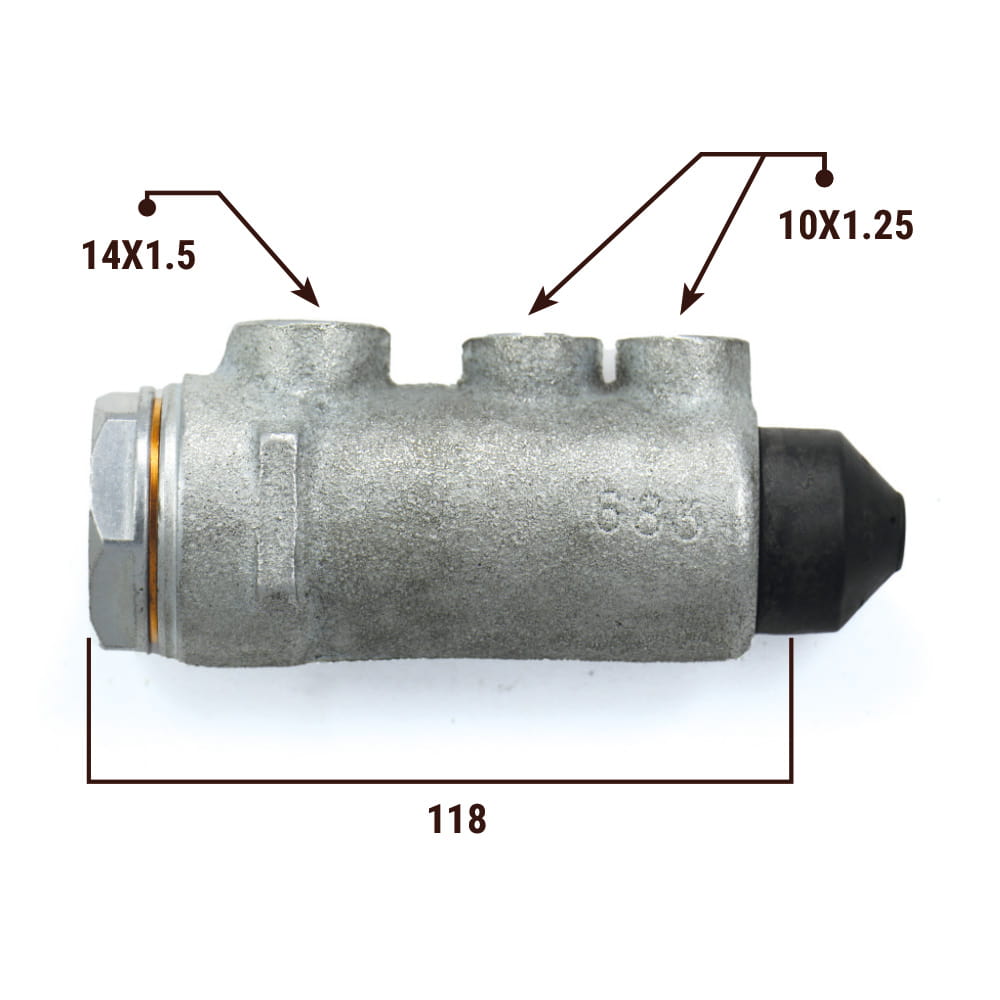
The brake master cylinder is the heart of a vehicle's hydraulic braking system. Its main function is to convert the mechanical pressure applied by the driver to the pedal into hydraulic pressure, forcing brake fluid through the lines to the wheel calipers or drums.
Its operation is based on Pascal's principle, which states that pressure exerted on a liquid is transmitted uniformly in all directions.
If the pump is worn out or damaged (often due to deteriorated internal seals), you may notice:
To ensure maximum safety, it is essential to bleed the air from the system every time work is performed on the pump or the hydraulic circuit.
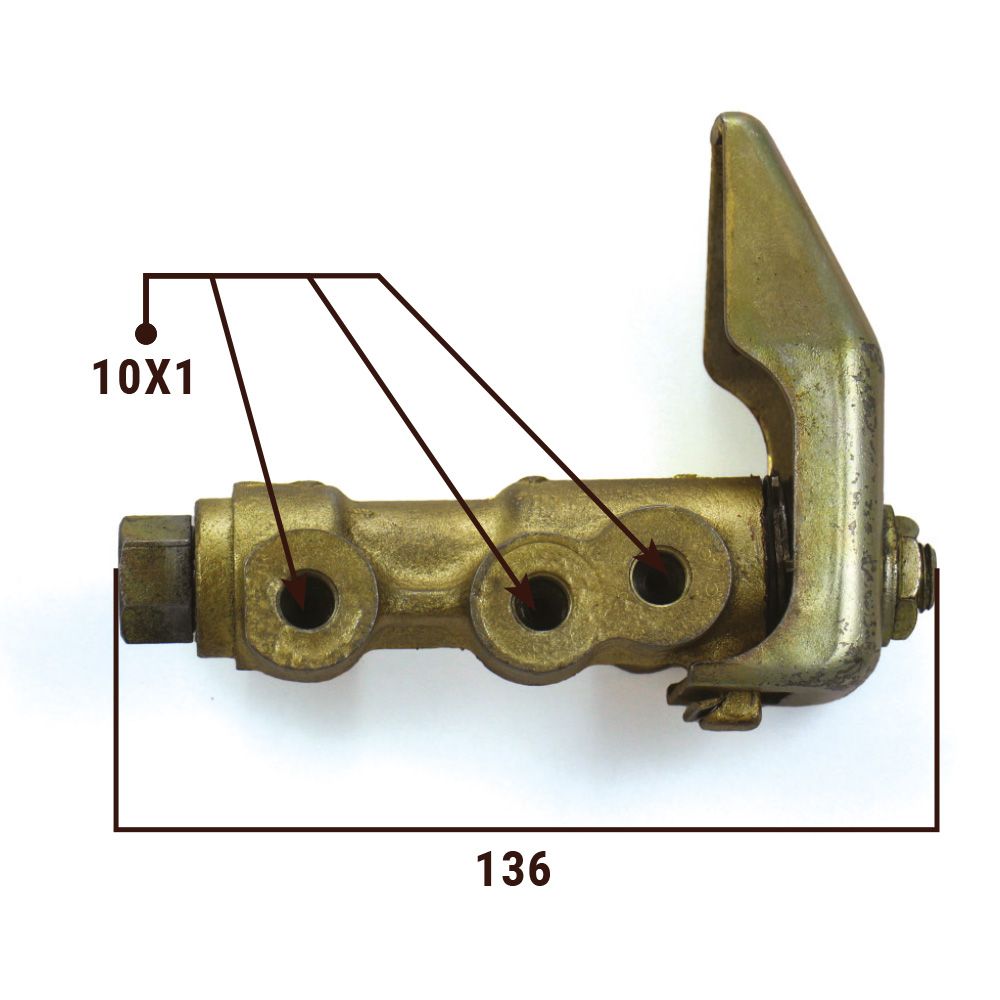
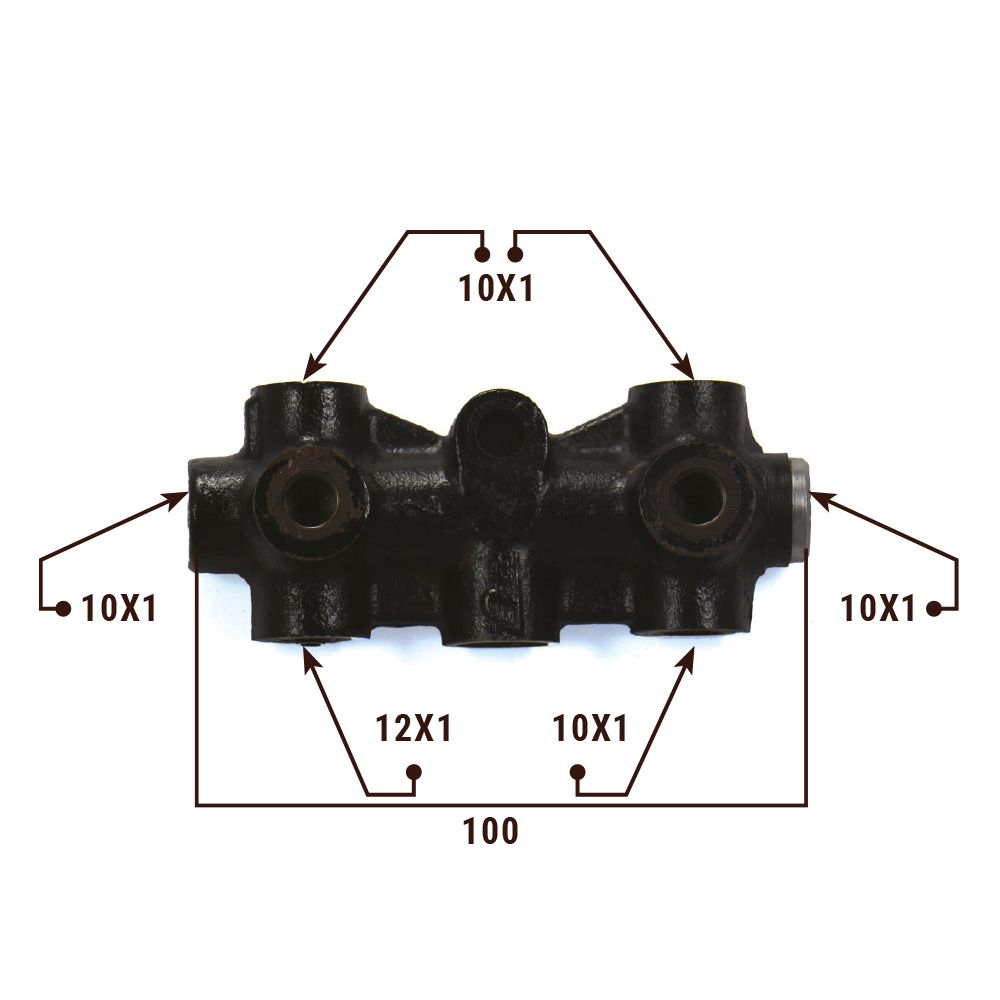
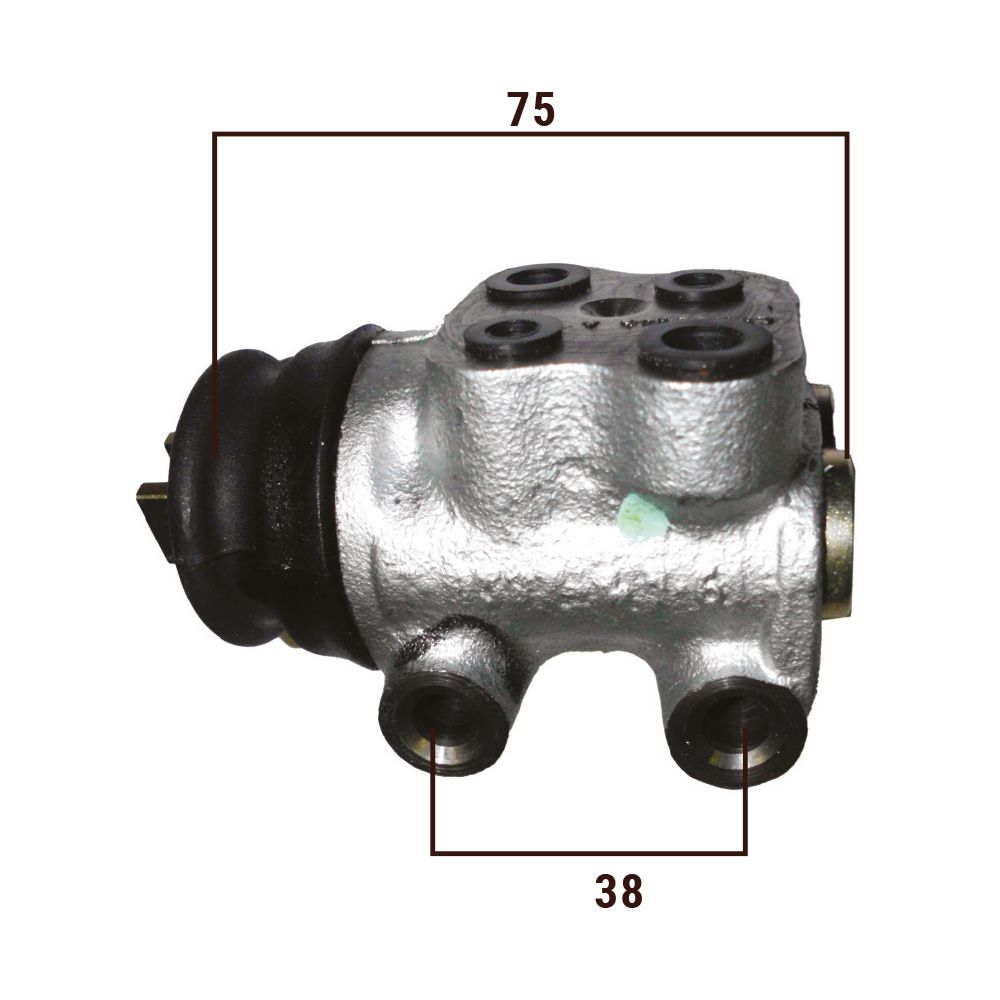
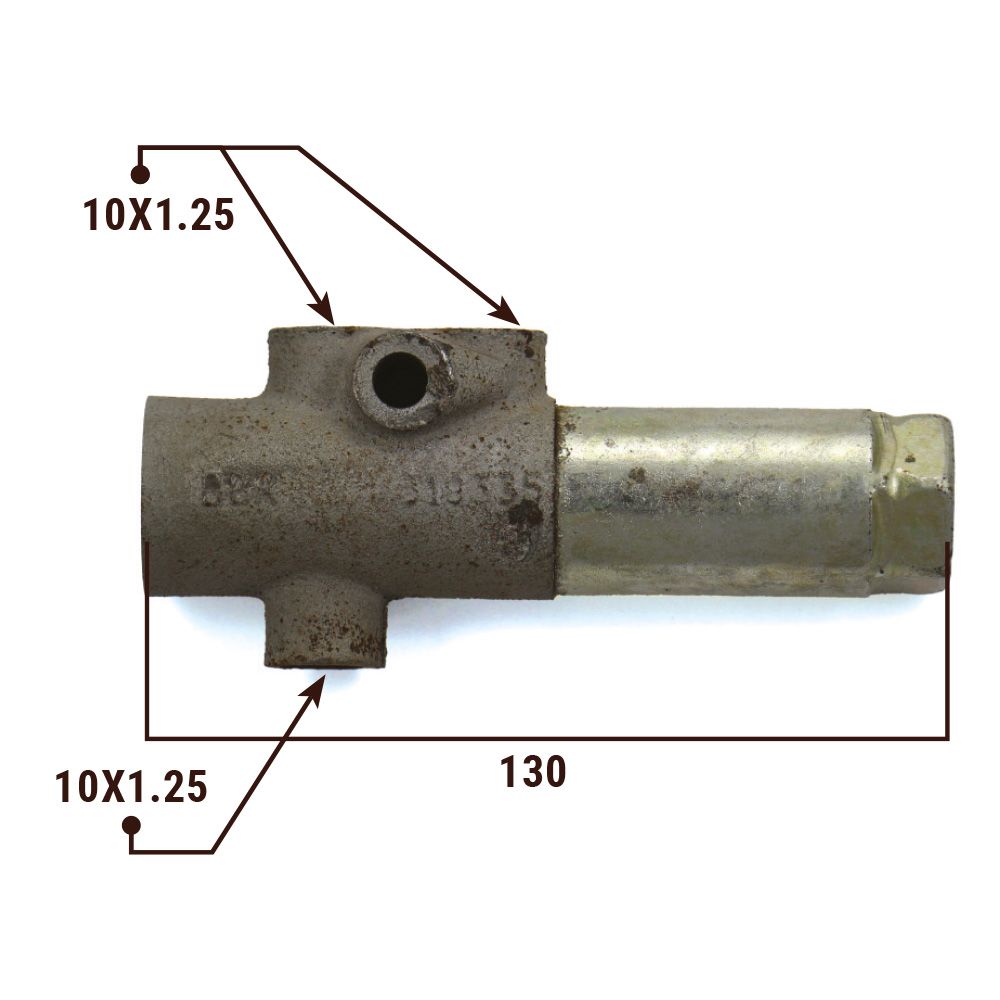
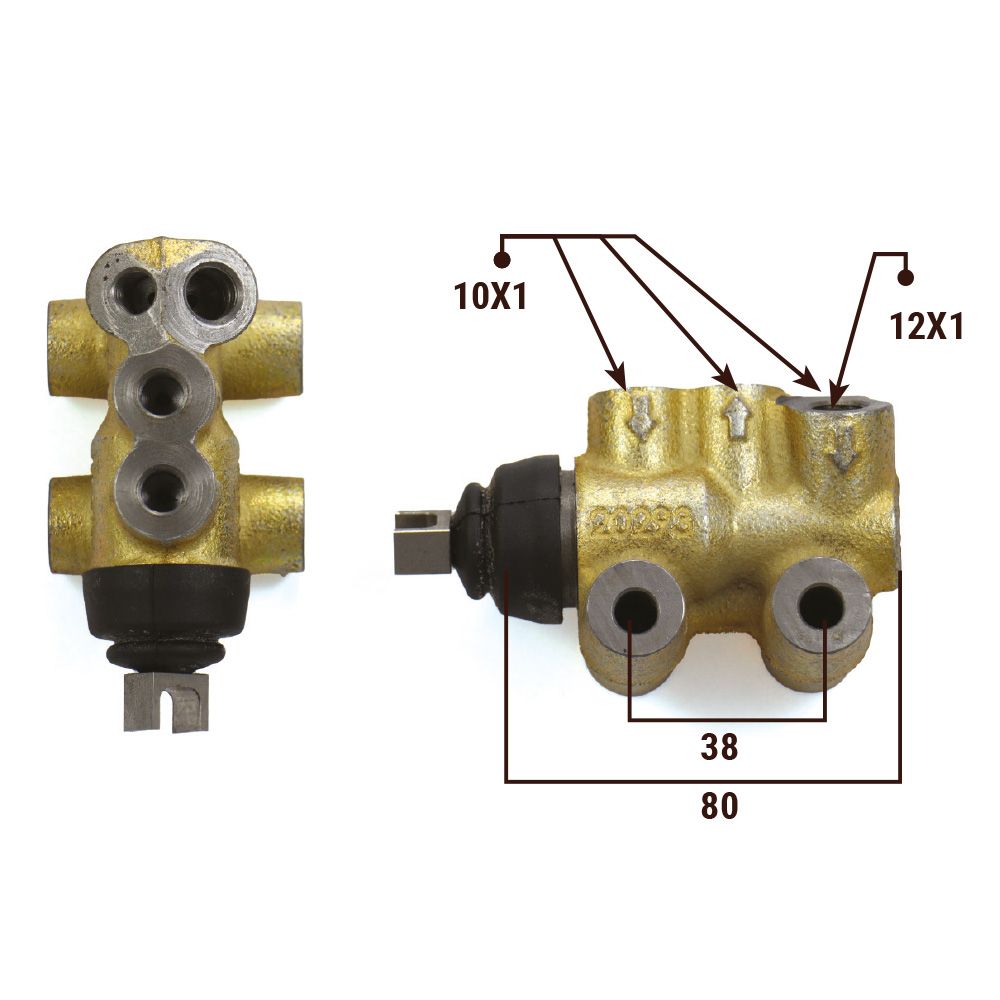
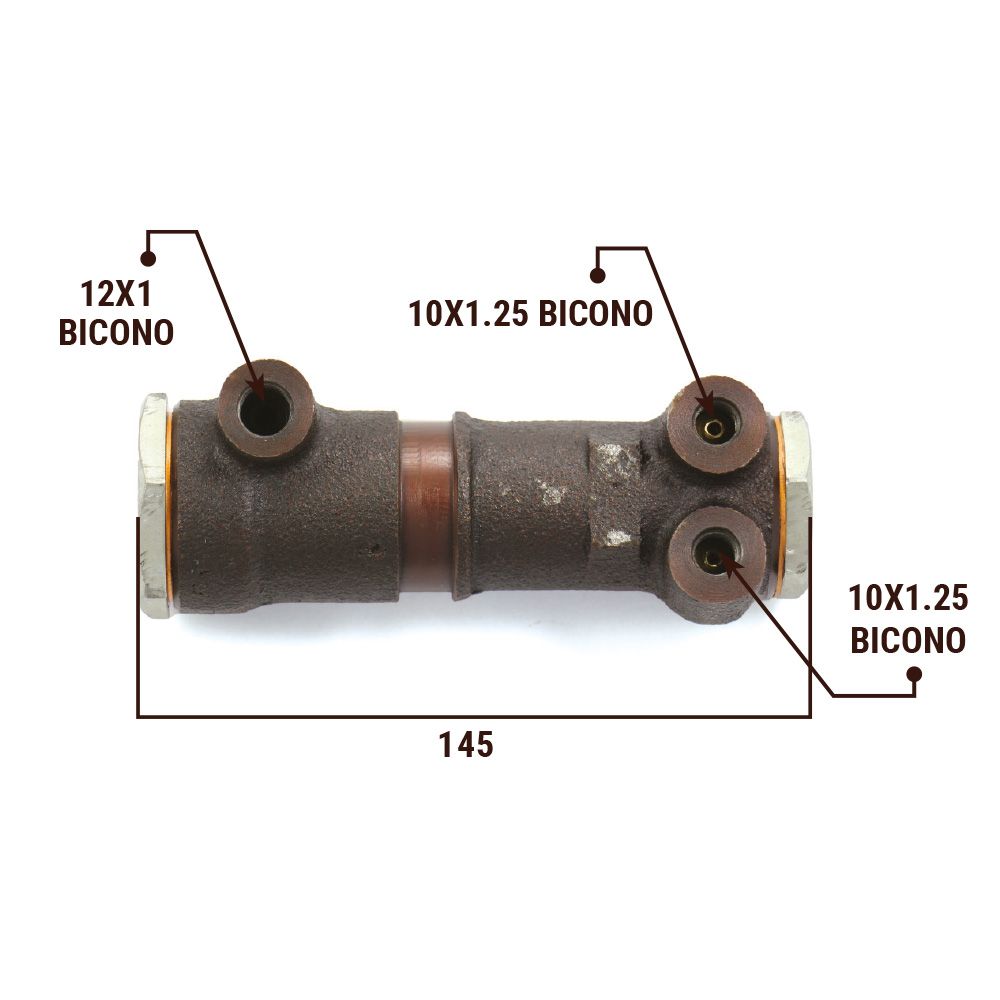
To correctly identify a brake master cylinder and find a compatible replacement, it is important to take a few precise measurements. First, after removing the dust boot and circlip, use a caliper to measure the internal diameter of the cylinder, where the piston moves. If the piston does not come out easily, you can push it out with a suitable tool, taking care as the spring may cause it to pop out suddenly. Watch the tutorial at the end of the article to learn more.