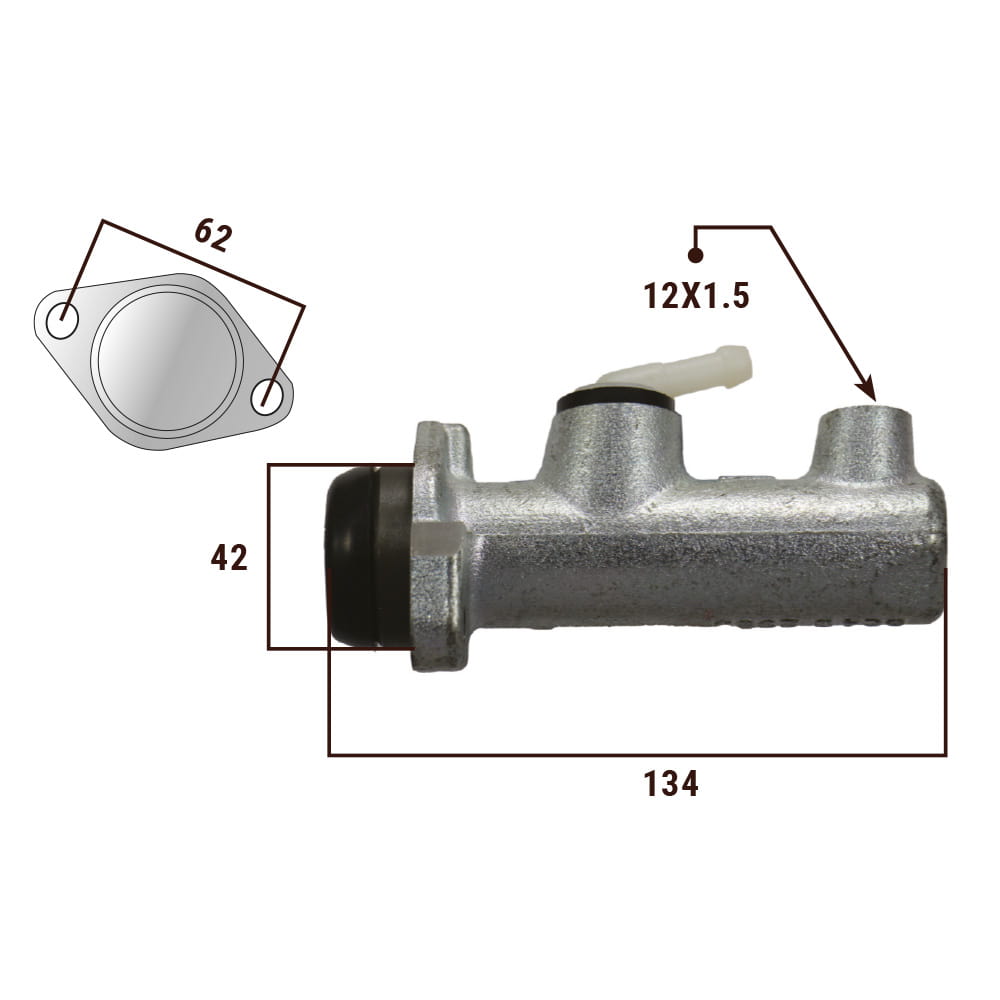
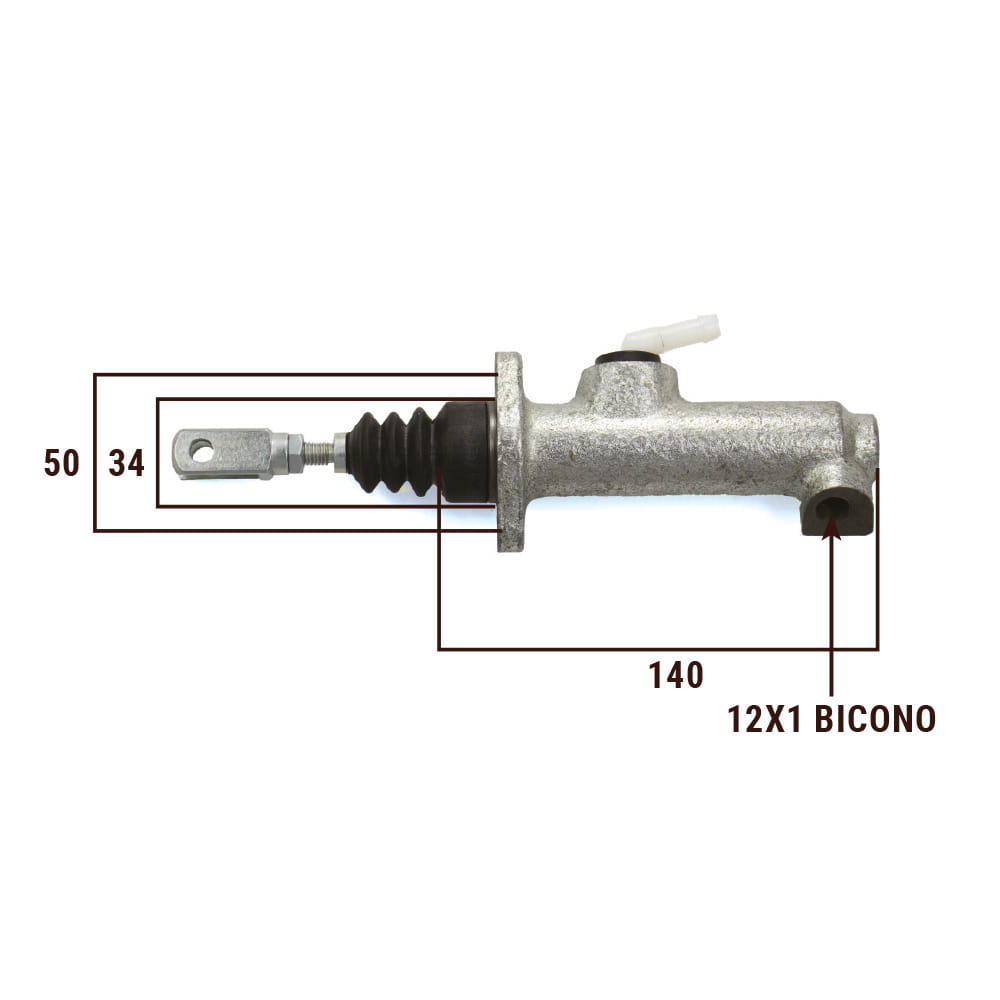
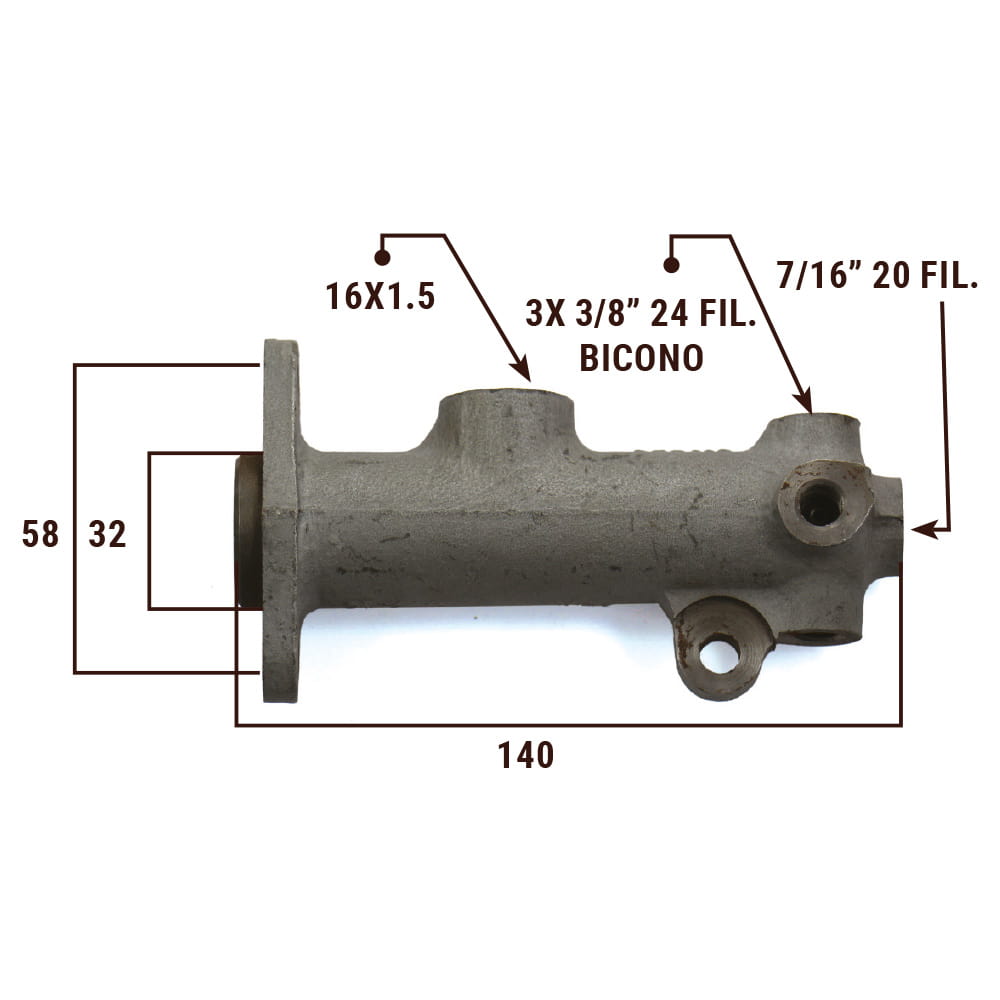
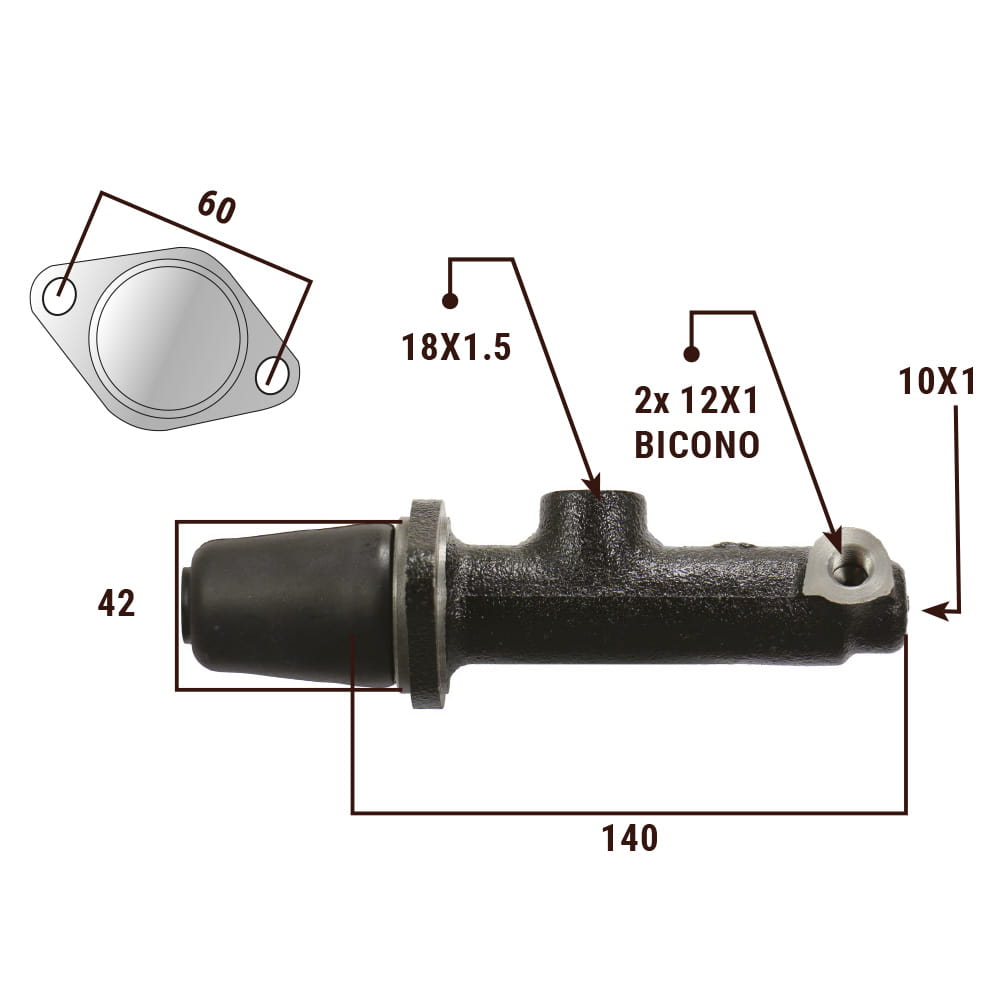
In motorsport history, few competitions have combined audacity, technical evolution, and charm quite like the Mille Miglia. Defined by Enzo Ferrari as "the most beautiful race in the world," this event was not merely a sporting competition, but the ultimate proving ground for the mechanical solutions we still admire today in classic car restoration.
For those immersed in the restoration world, the Mille Miglia is the symbol of an era when the endurance of every single component — from wheel cylinders to gaskets — could mean the difference between a legendary victory and a forced retirement.
It all began in 1927, when four friends from Brescia (known as the "Four Musketeers": Aymo Maggi, Franco Mazzotti, Renzo Castagneto, and Giovanni Canestrini) decided to push back against the "theft" of the Italian Grand Prix, which had been relocated from Brescia to Monza.
They conceived a wild race: 1,600 kilometres — exactly one thousand miles — from Brescia to Rome and back, all in one go. At the time, with unpaved roads and dust choking the engines, just completing the course seemed like a miracle.
The Mille Miglia is rich with anecdotes that built its myth. Here are some of the most significant:
Participating in the Mille Miglia historic revival today requires meticulous preparation. While drivers once chased sheer performance, today the goal is safety combined with historical accuracy.
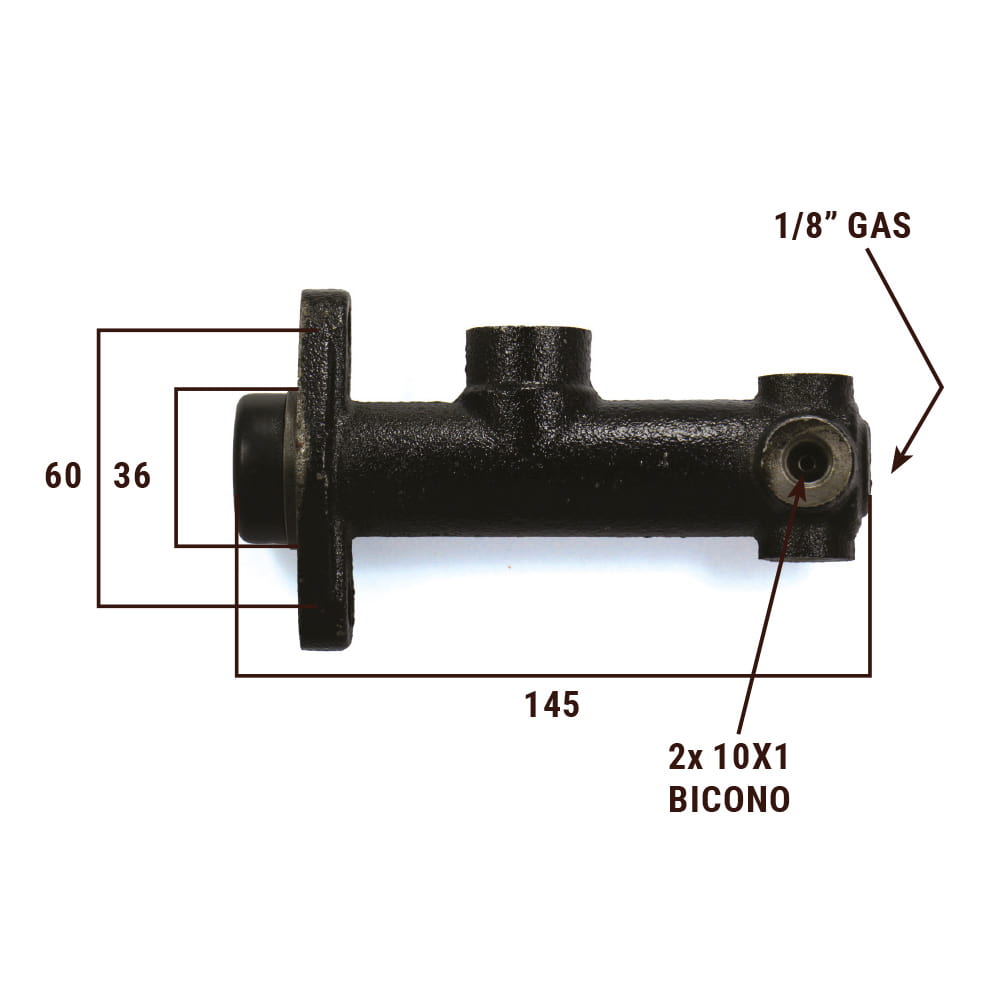
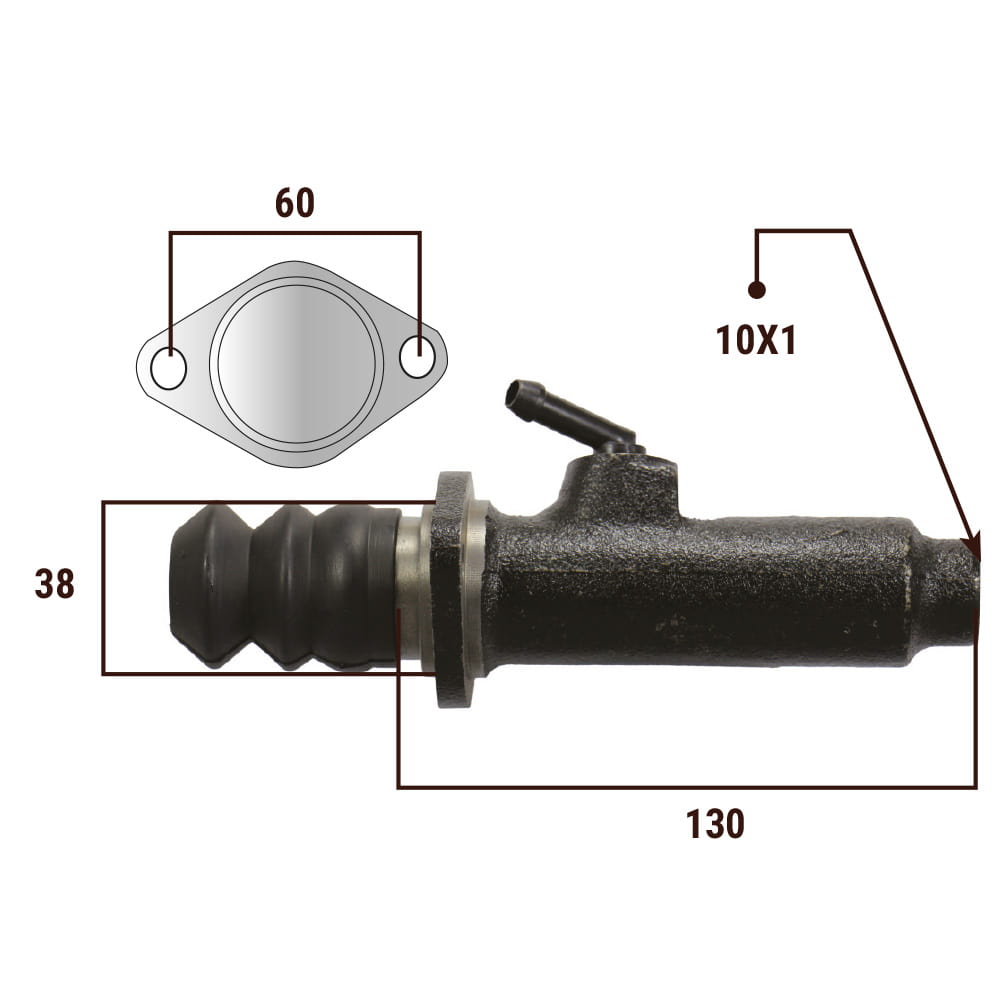
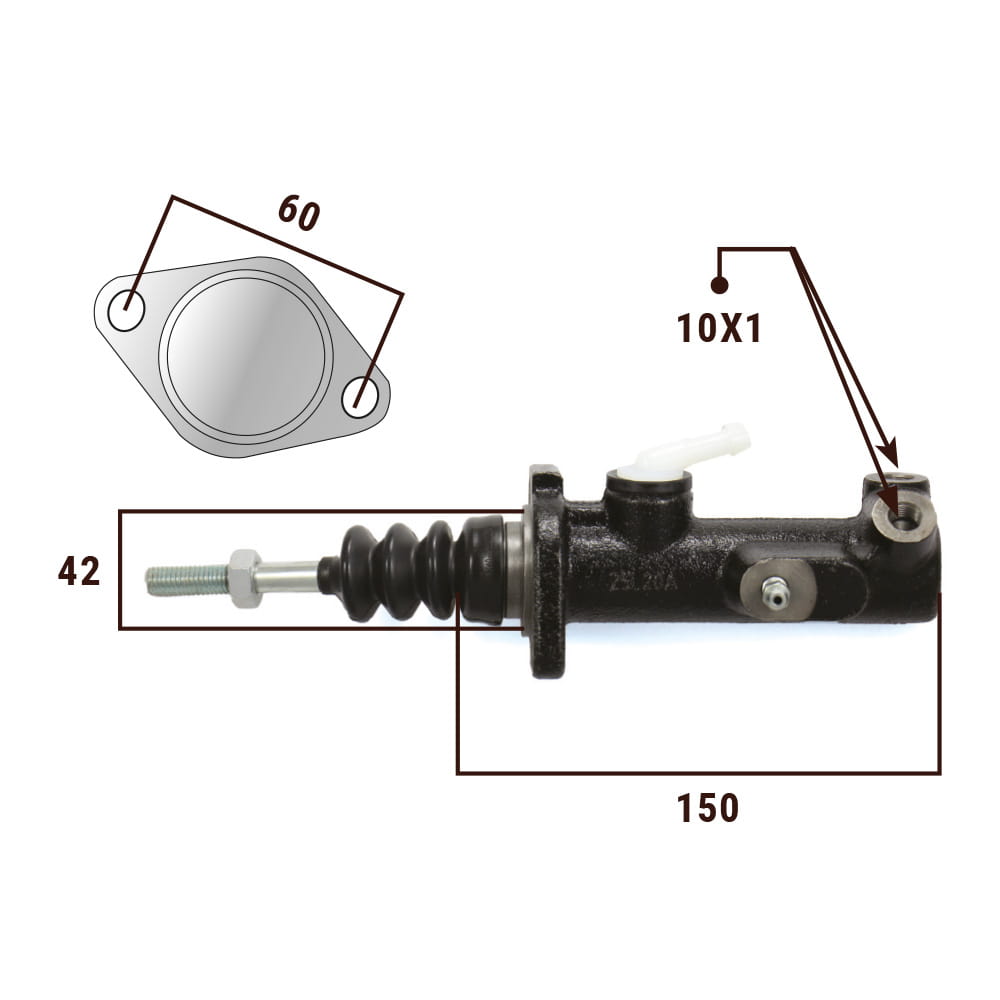
Tackling the Futa and Raticosa mountain passes today in a 70- or 90-year-old car means relying on a flawless braking system. During the original races, drum overheating and wheel cylinder fatigue were the primary enemies. When restoring a car aimed at these events, it is not enough for a component to be "new" — it must be compliant with original specifications and reliable.
If you are preparing your vehicle for the "Freccia Rossa" or undergoing a conservative restoration, braking system safety cannot be left to chance.
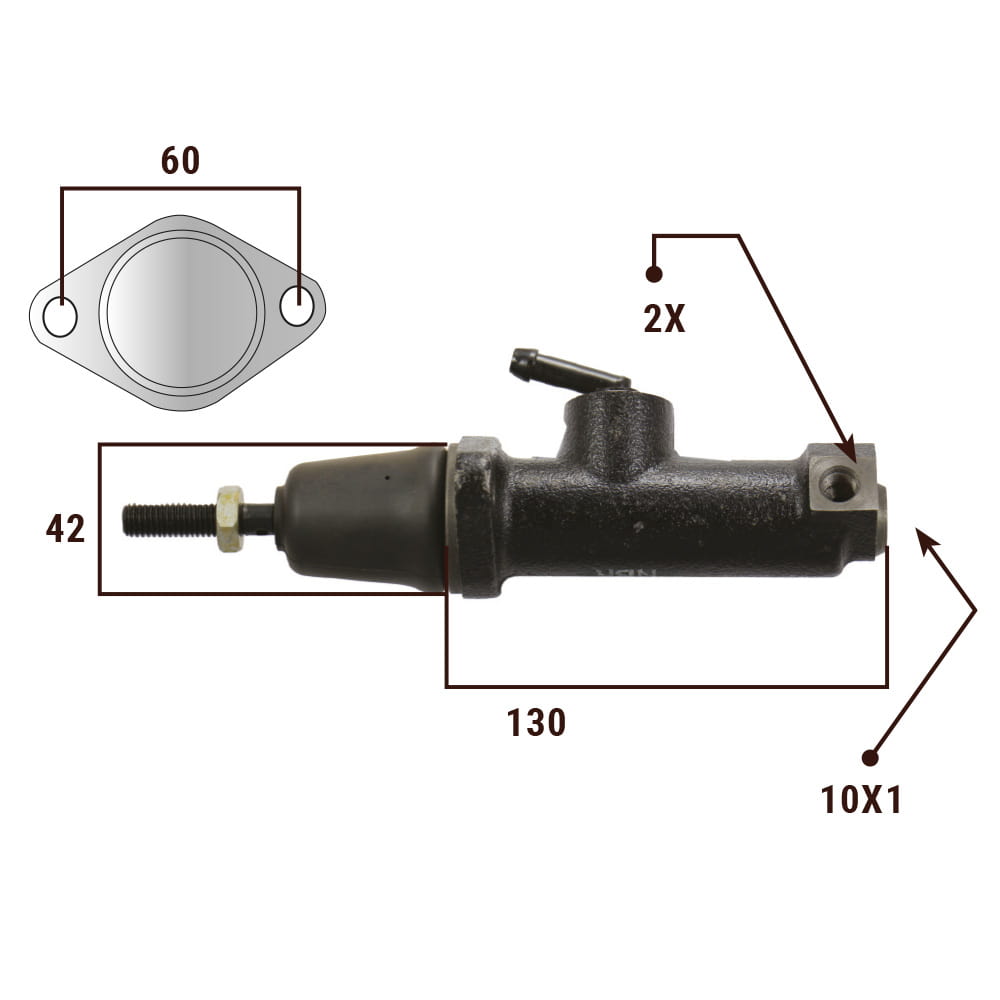
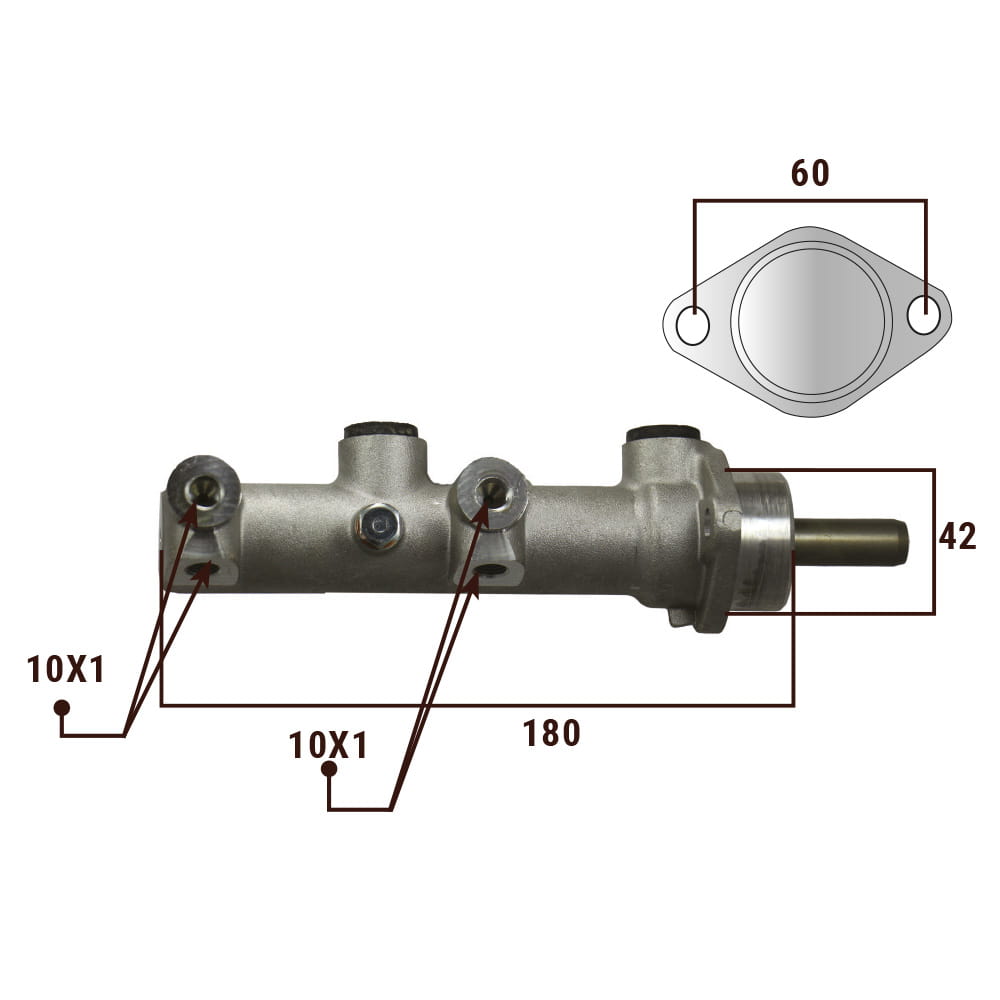
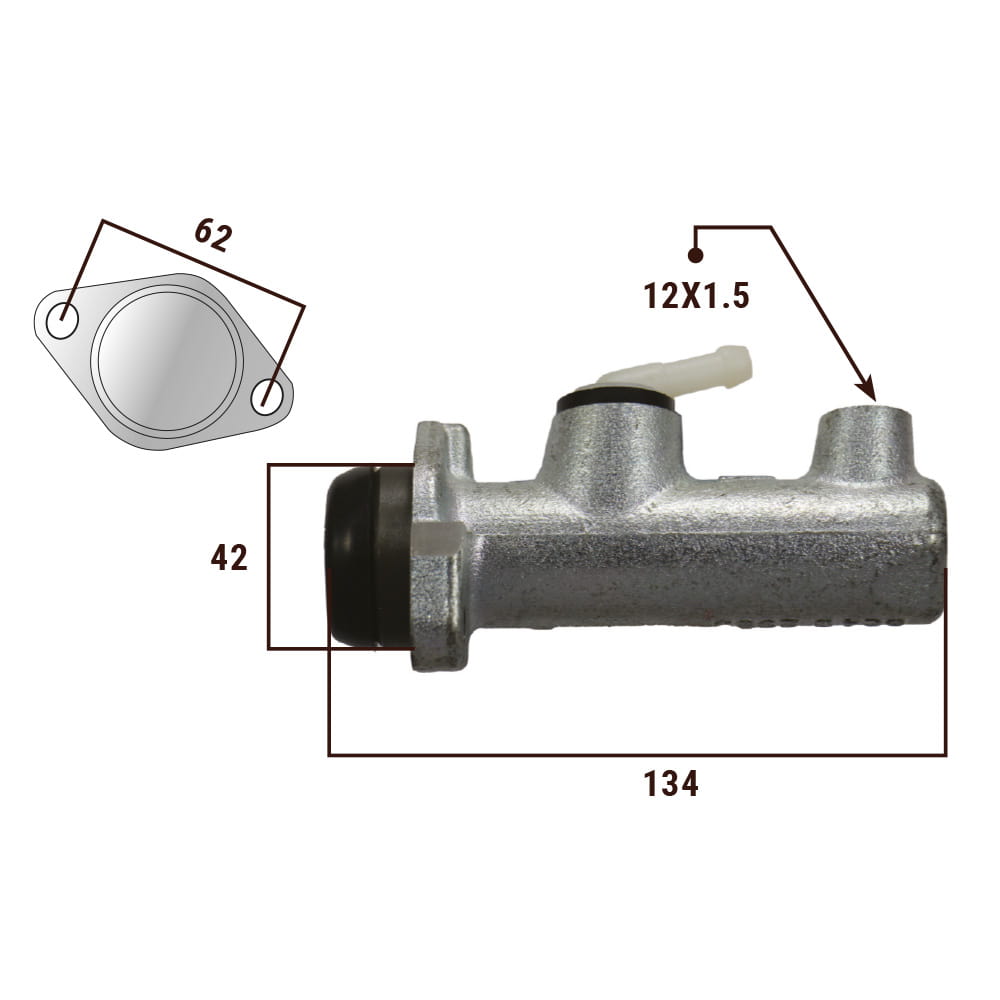
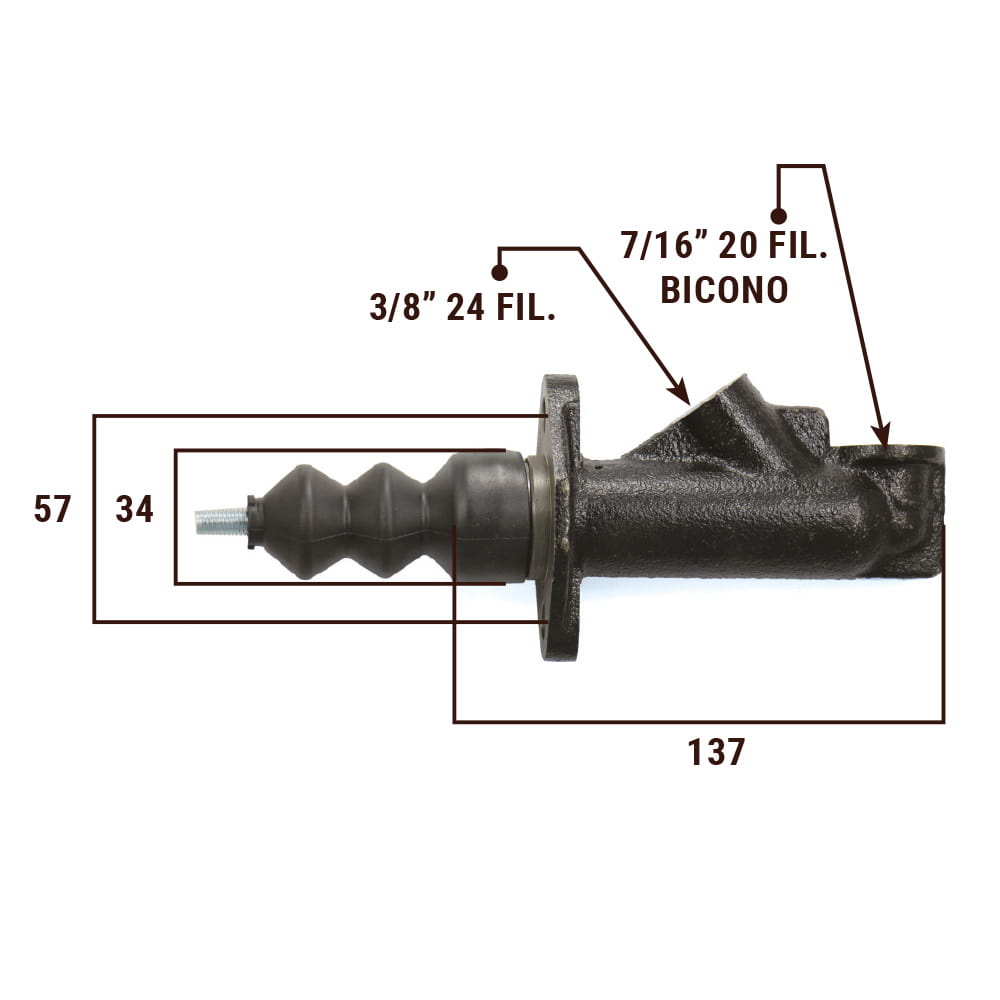
At Golinelli Freni, we support collectors and workshops by supplying components that meet original period specifications. We know that behind every number on the door is a story worth preserving — and braking that must be safe, now just as it was then.
Want to get your classic car ready for its next challenge? Contact our team for expert advice on the correct components for your model.