In classic car restoration, certain components have a decisive impact on safety, reliability, and originality. The brake wheel cylinder is one of them.
Measuring it correctly is not just a technical step — it can make the difference between an efficient braking system and one prone to leaks, uneven braking, or overhaul difficulties.
For an accurate measurement, a simple tape measure or an imprecise caliper is not enough. You need precision instruments, specifically:
The most common mistake is relying on guesswork or rounding off values. Within a braking system, even a few tenths of a millimetre can compromise the hydraulic seal.
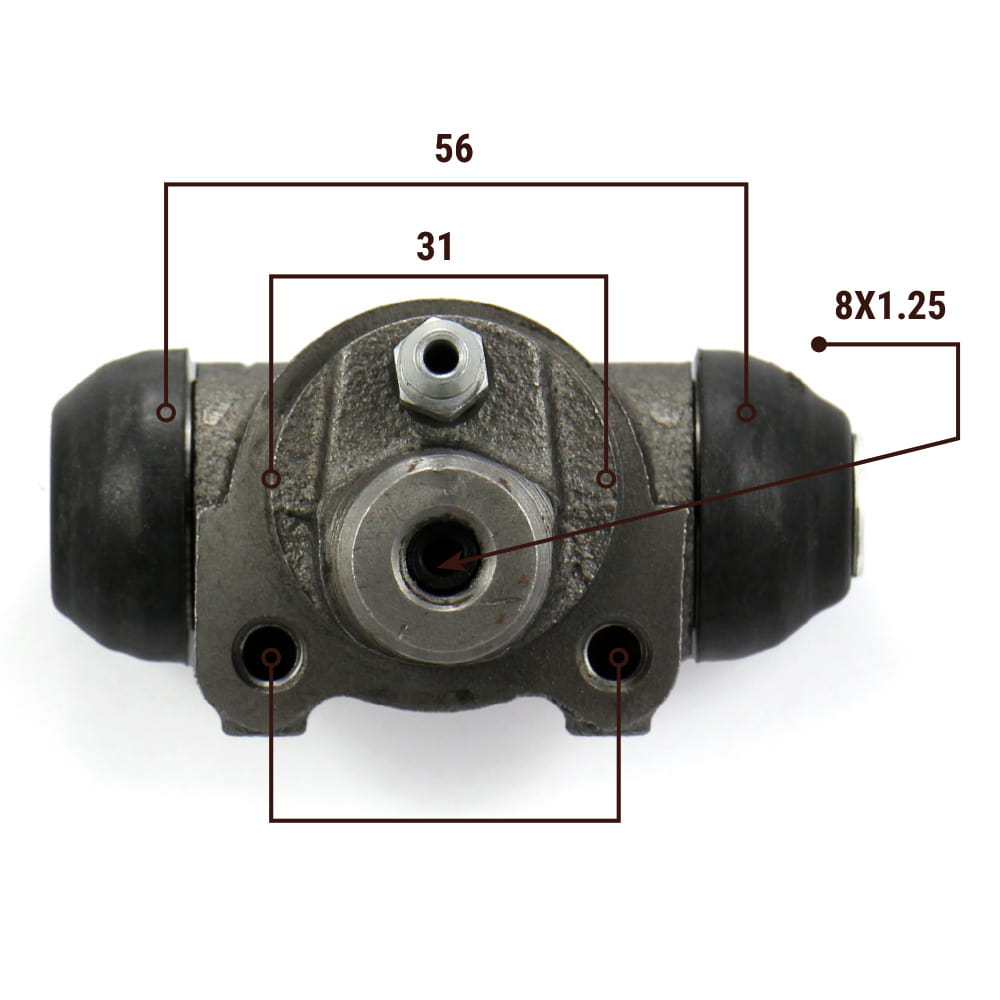
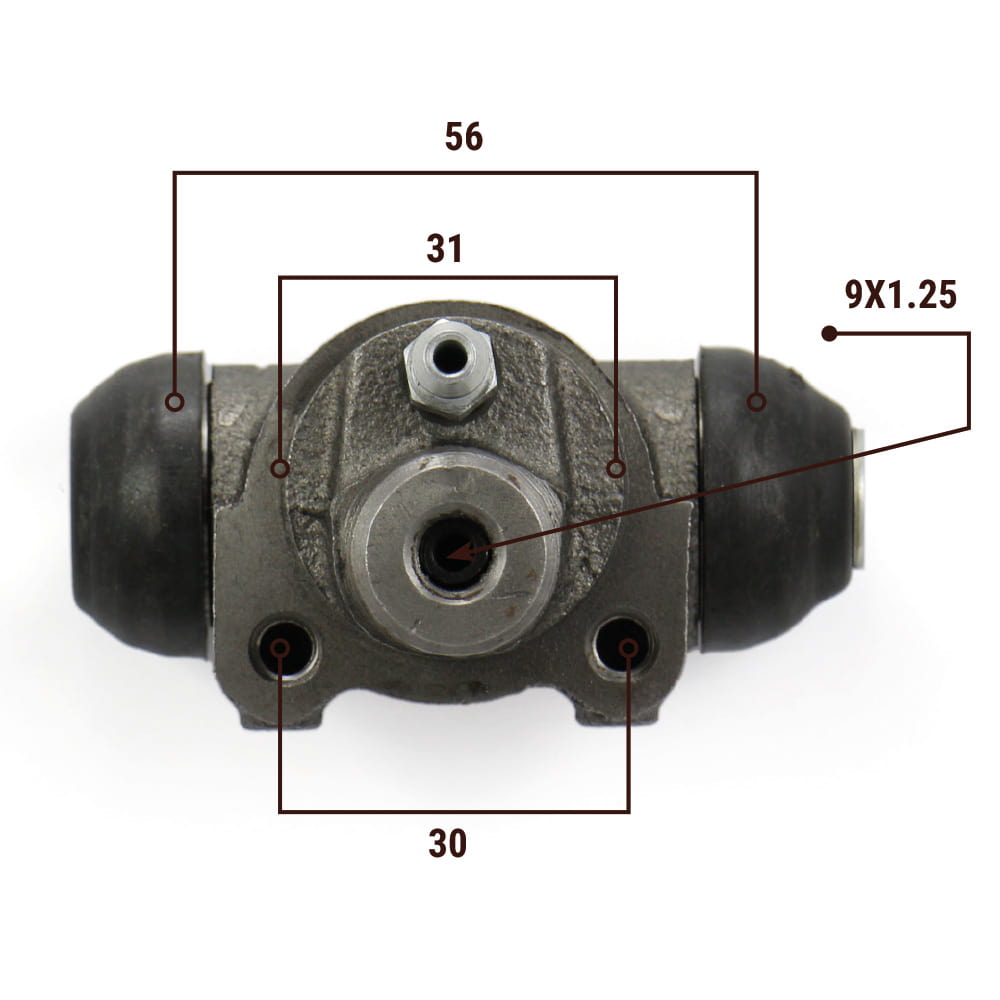
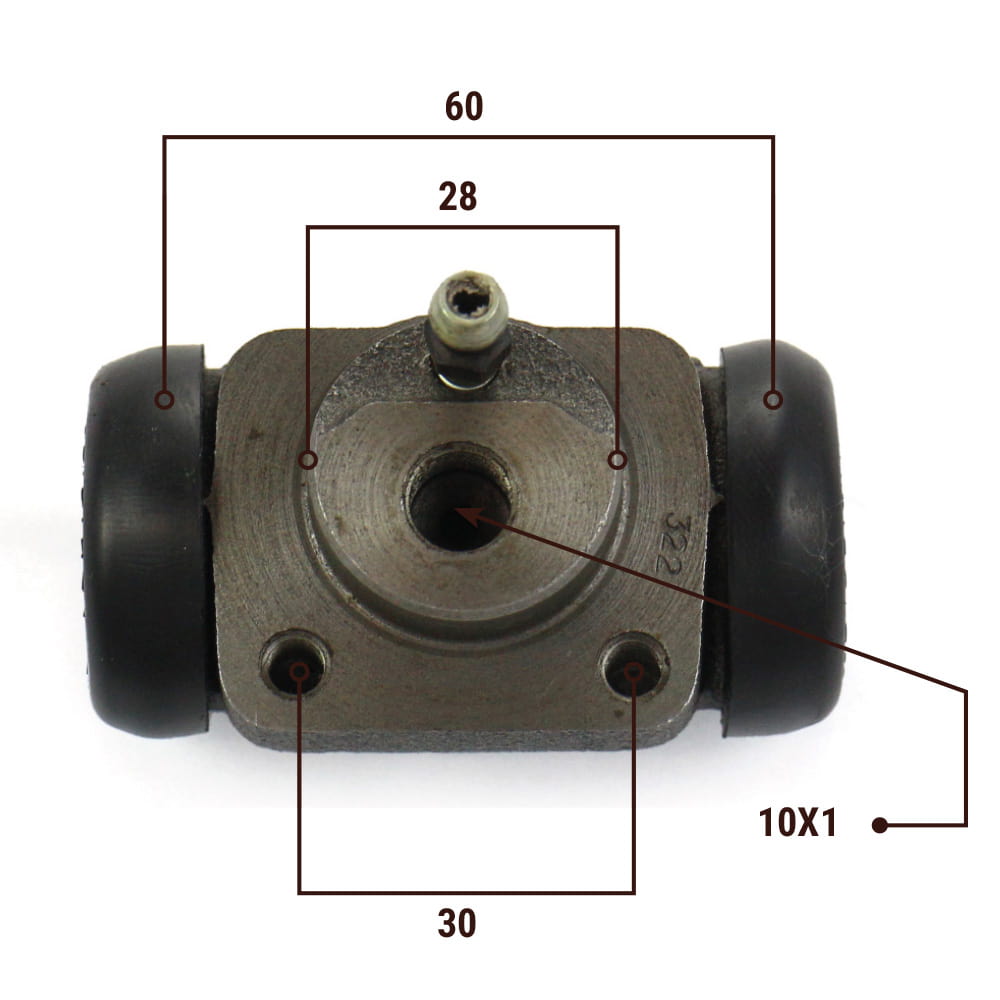
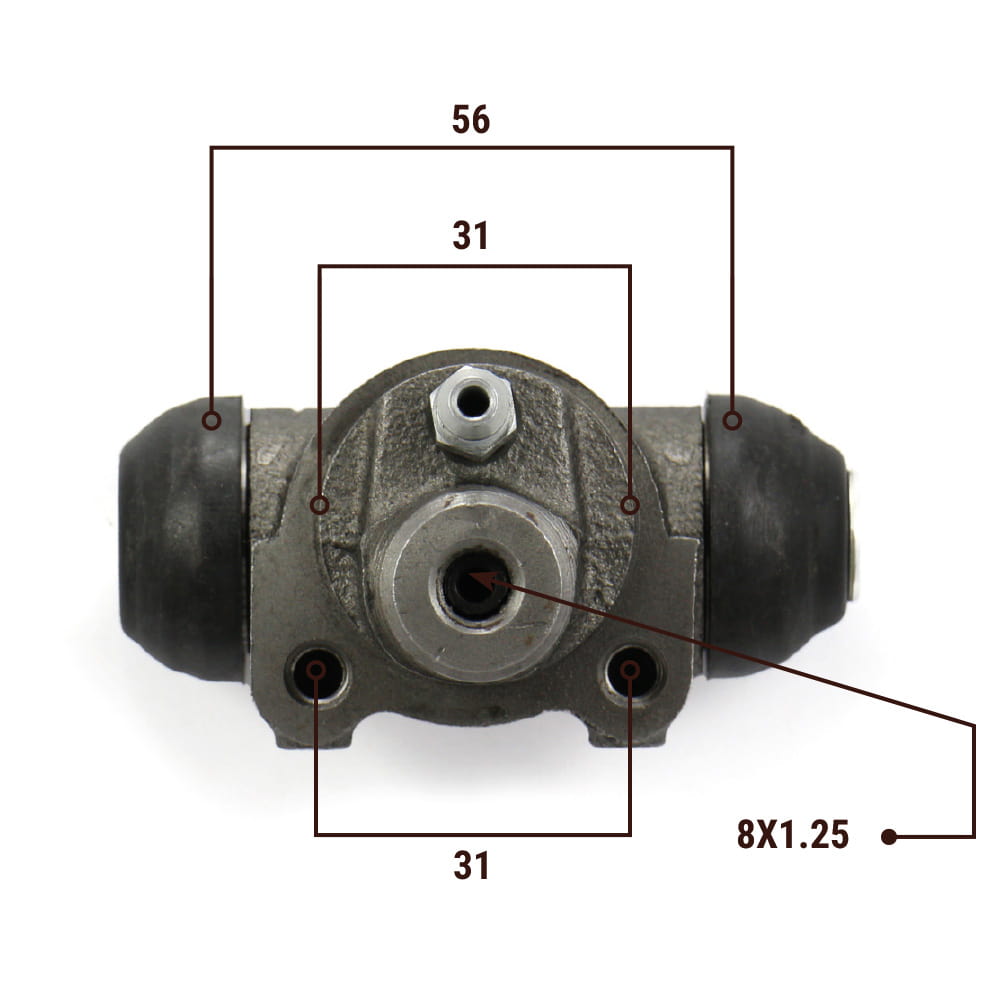
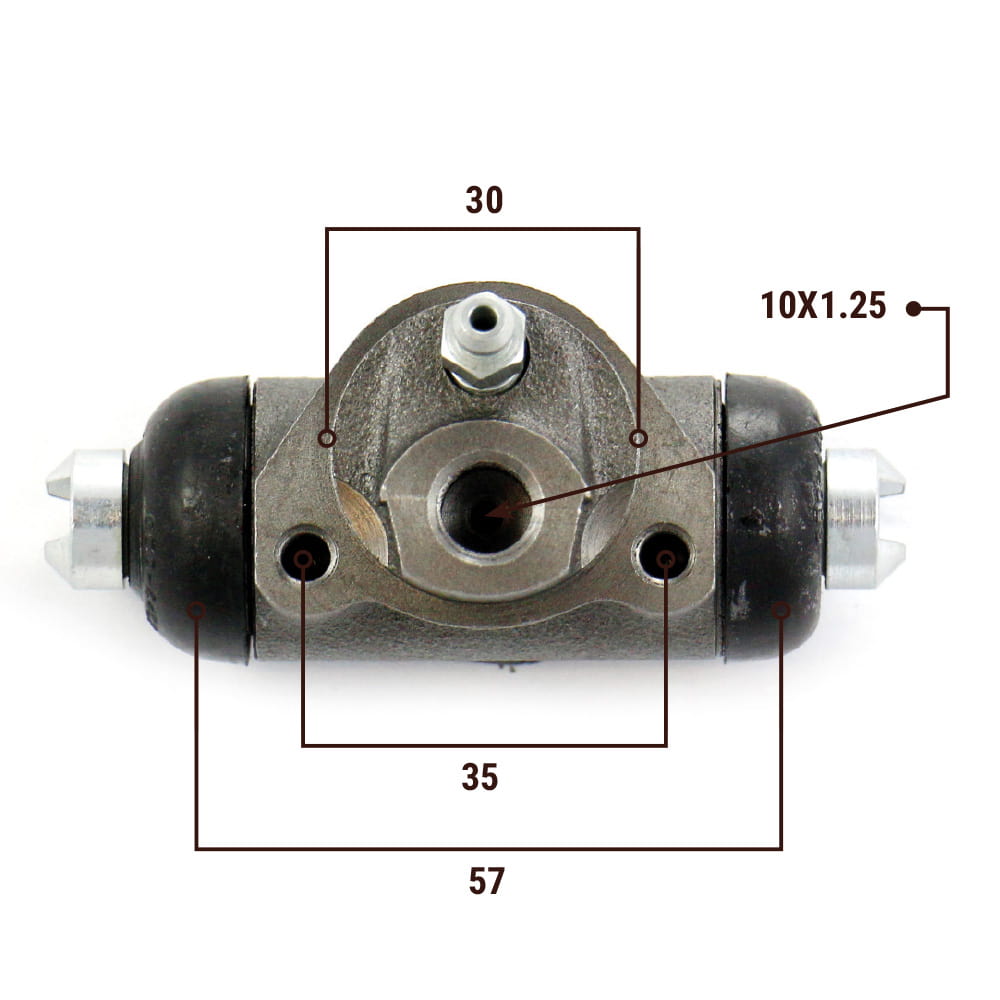
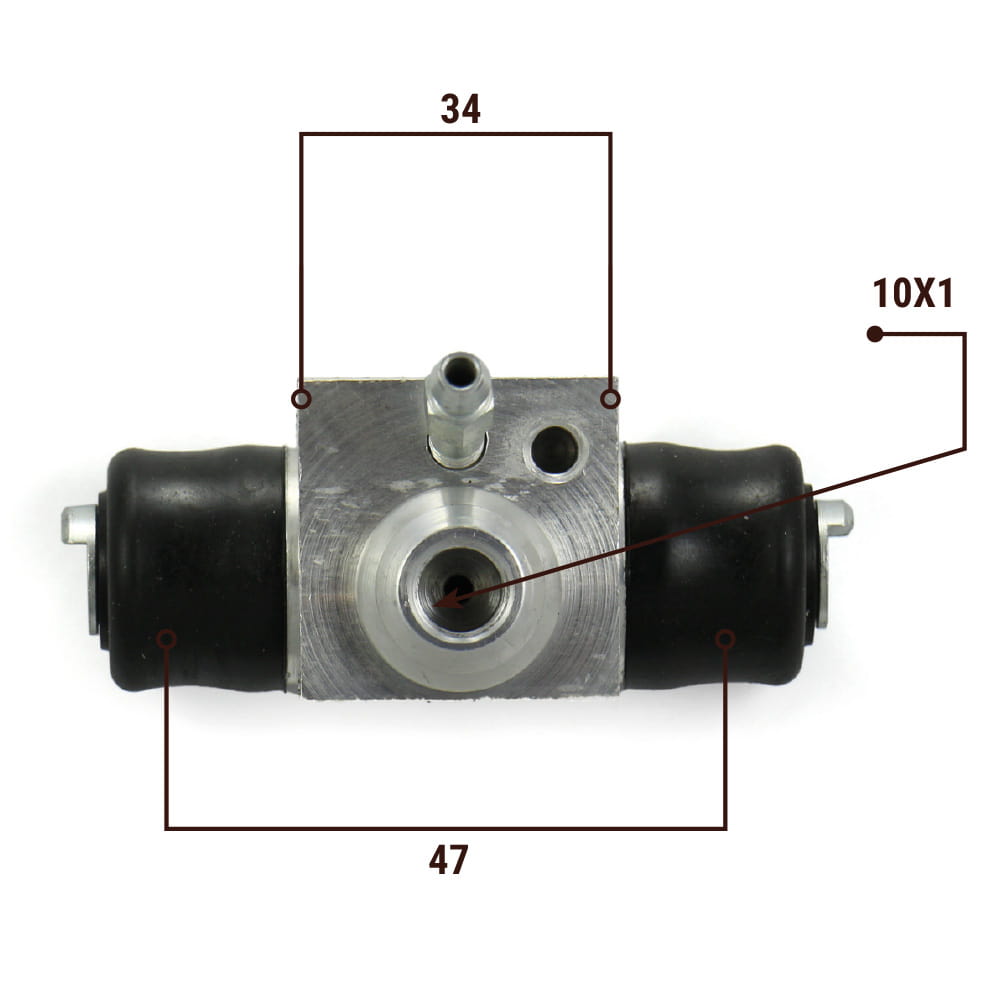
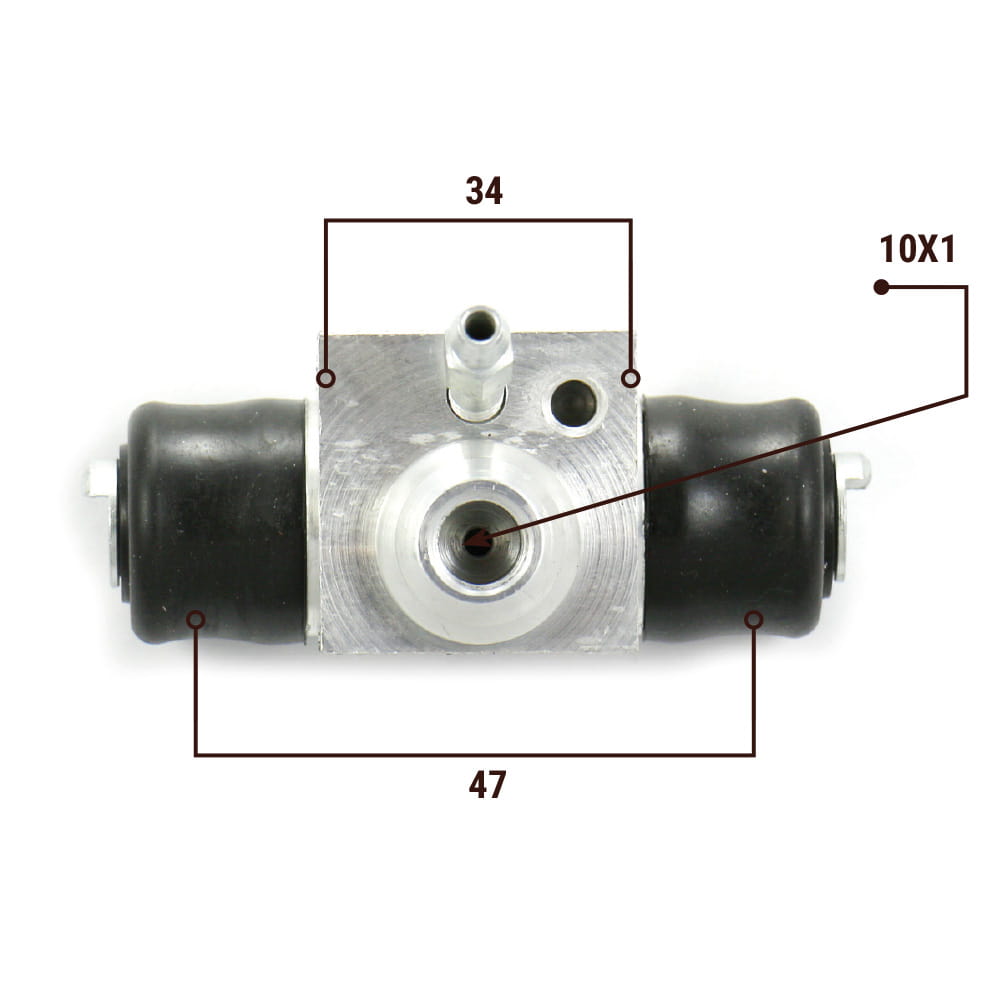
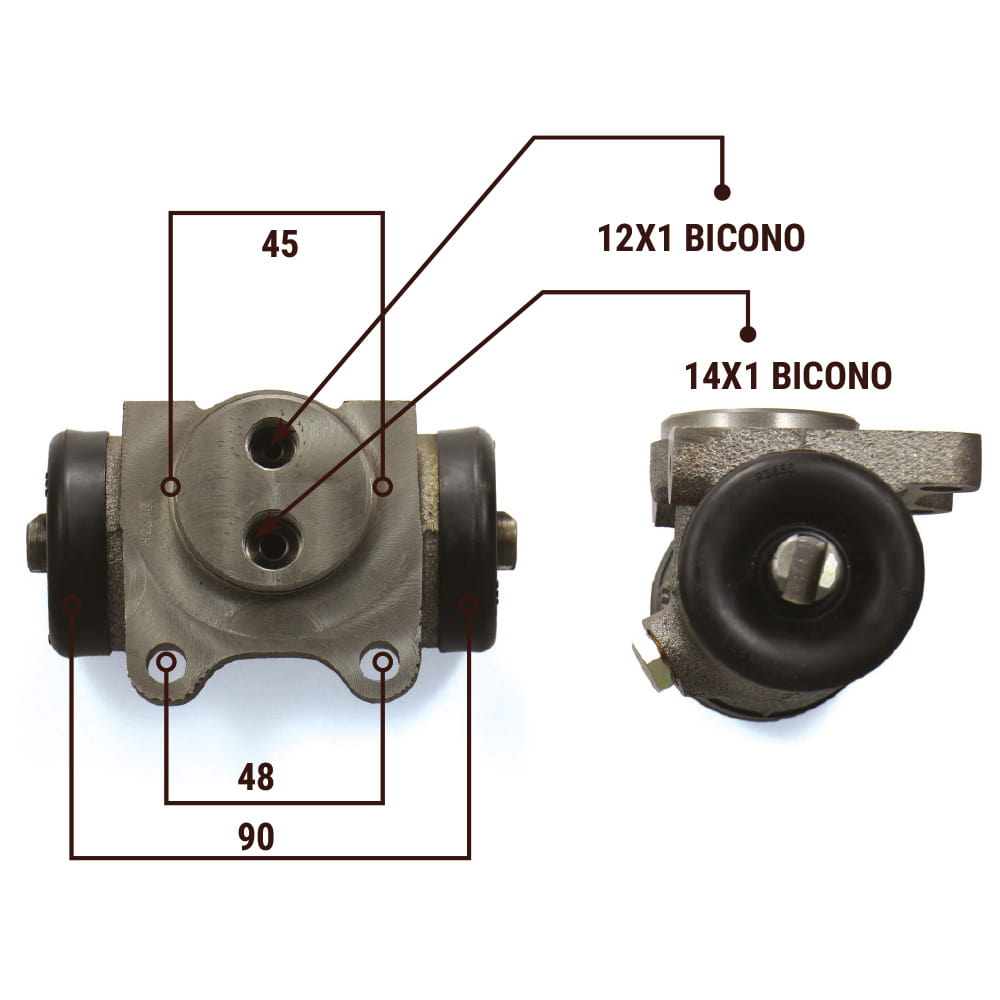
When analysing a wheel cylinder, the key measurements are:
Cylinder bore diameter Determines compatibility with pistons and seals. It must be measured at multiple points to check for any ovalization.
Piston diameter Pistons must be perfectly consistent with the cylinder bore and the vehicle's original specifications.
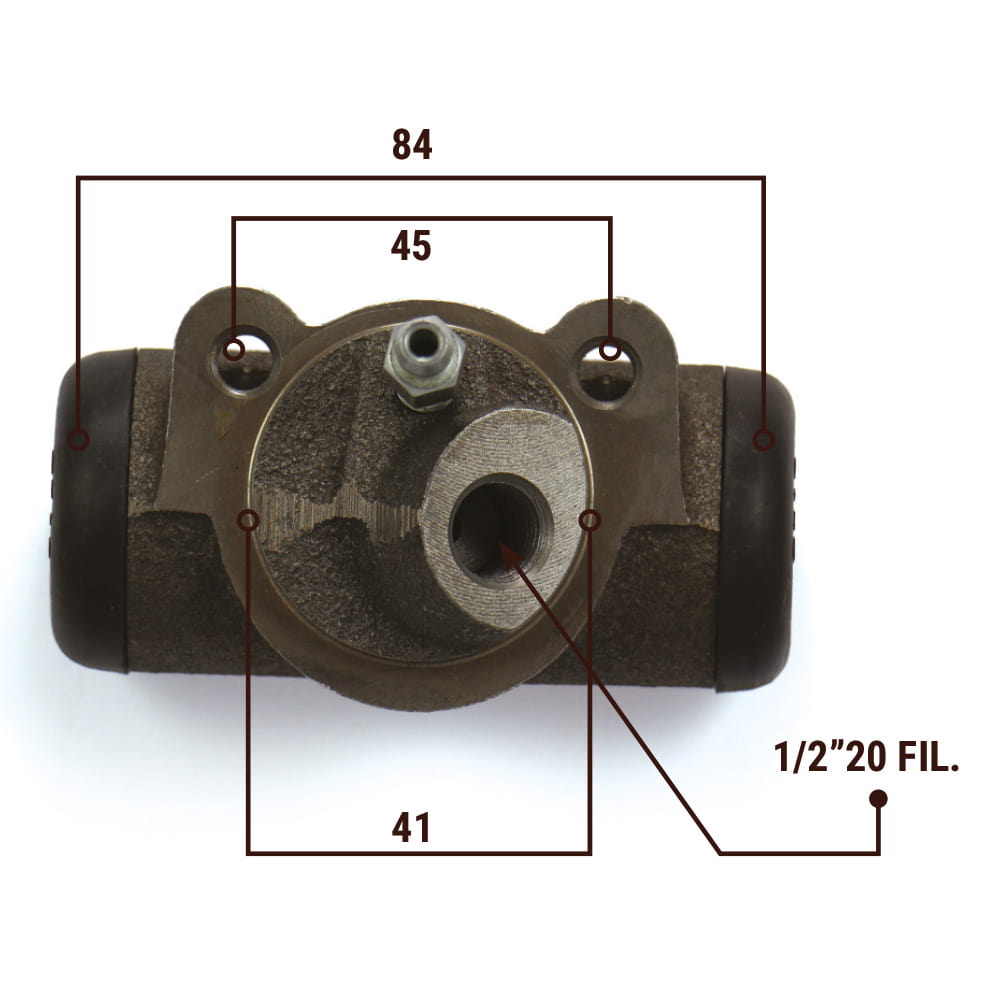
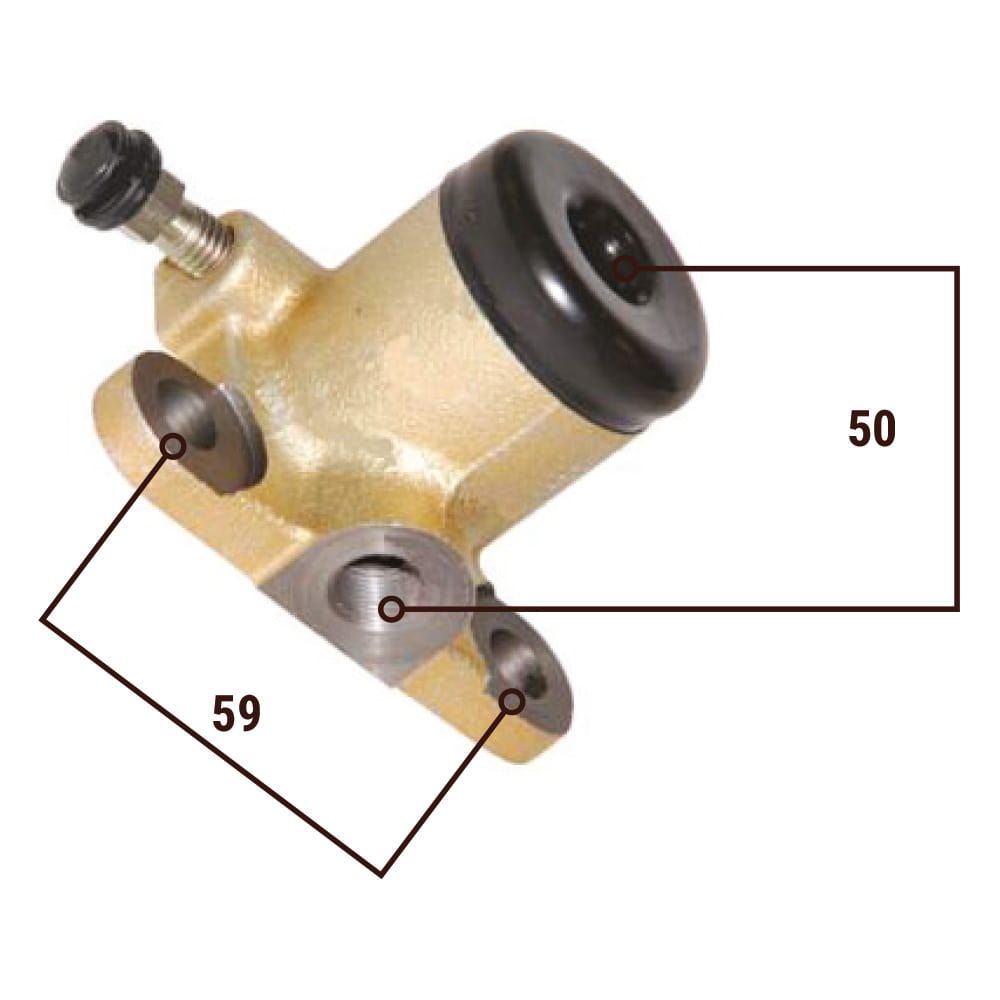
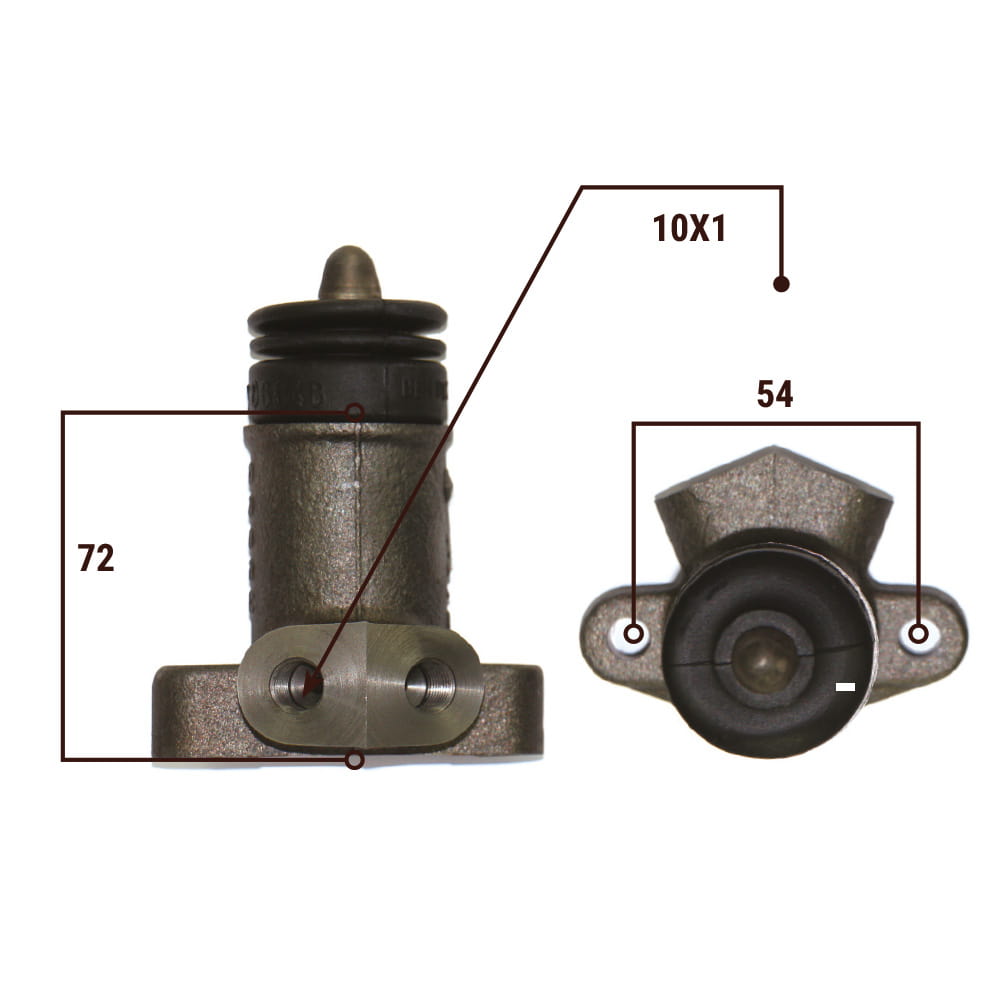
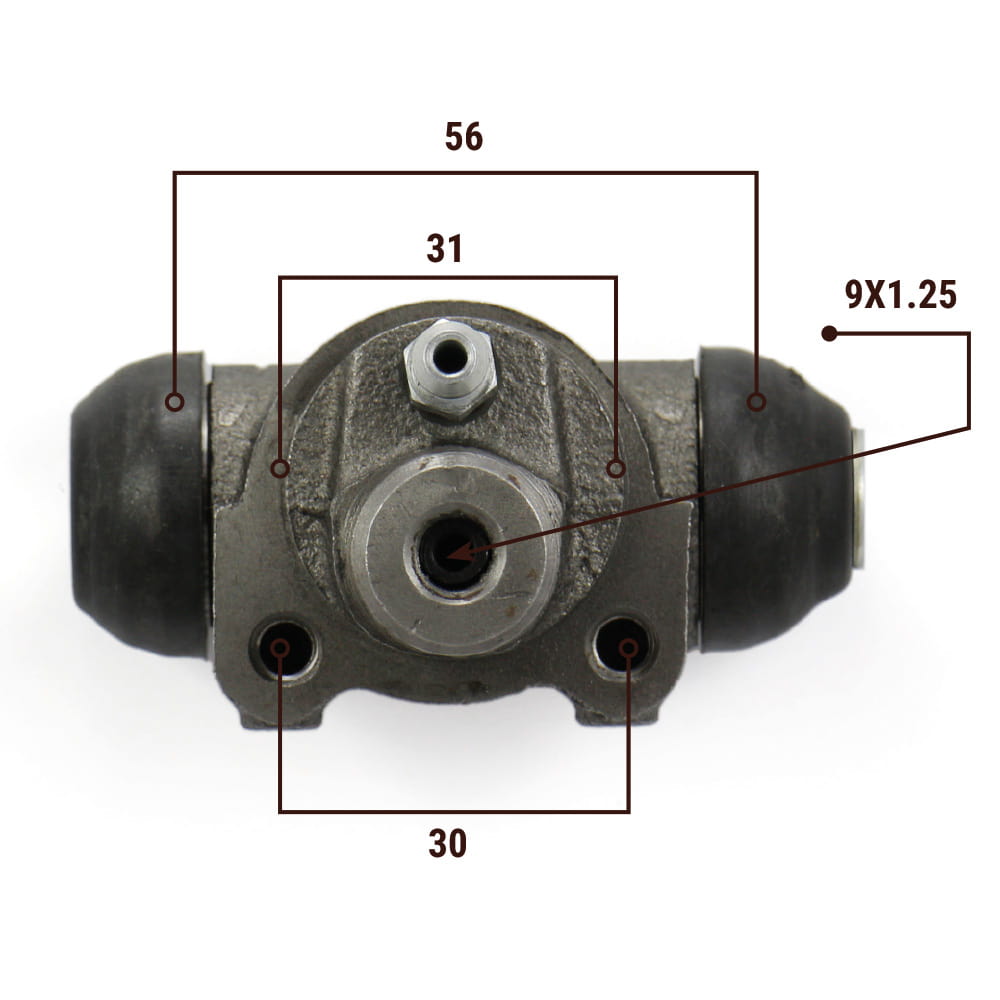
Mounting hole spacing Essential to ensure correct installation on the brake backing plate.
Brake line inlet thread Can vary in pitch and diameter; a mistake here can prevent proper connection or cause leakage.
Total length The dust boots must be removed, and the entire cast iron body measured accurately.
Watch the video tutorial to see in detail where to position the tools and how to take an accurate reading without skewing the data.
It is often overlooked that the numerical value is not the only parameter to consider.
If the cylinder exhibits:
Even if the diameter apparently falls within tolerances, the overhaul might not guarantee long-term safety.
In these instances, there are two solutions:
Those tackling this operation for the first time tend to:
In the classic car sector, variations can exist even within the same production run. For this reason, it is always advisable to compare the measured values with the model's technical specifications.
Measuring a wheel cylinder requires technical expertise and the right tools. If you do not have the proper equipment or the necessary experience, you risk ordering the wrong spare part or overhauling a component that is no longer fit for purpose.
In professional restoration, the process usually goes like this:
A methodical approach prevents repeated interventions and guarantees long-term reliability.
If you want to be certain you are choosing the correct brake wheel cylinder, contact Golinelli Freni. The team can assist you in verifying measurements, identifying the compatible component, and supplying spare parts that match original period specifications.
Rely on industry professionals for a safe, compliant braking system worthy of your car's value!