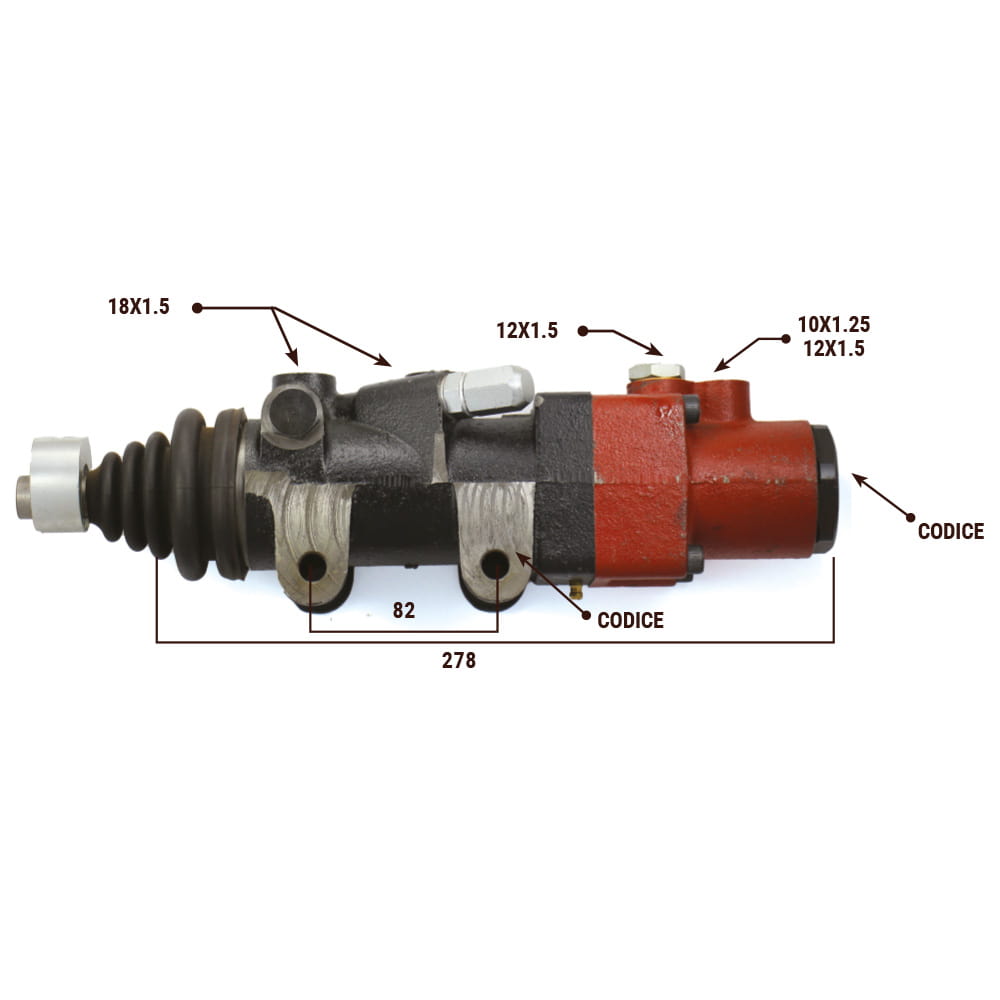
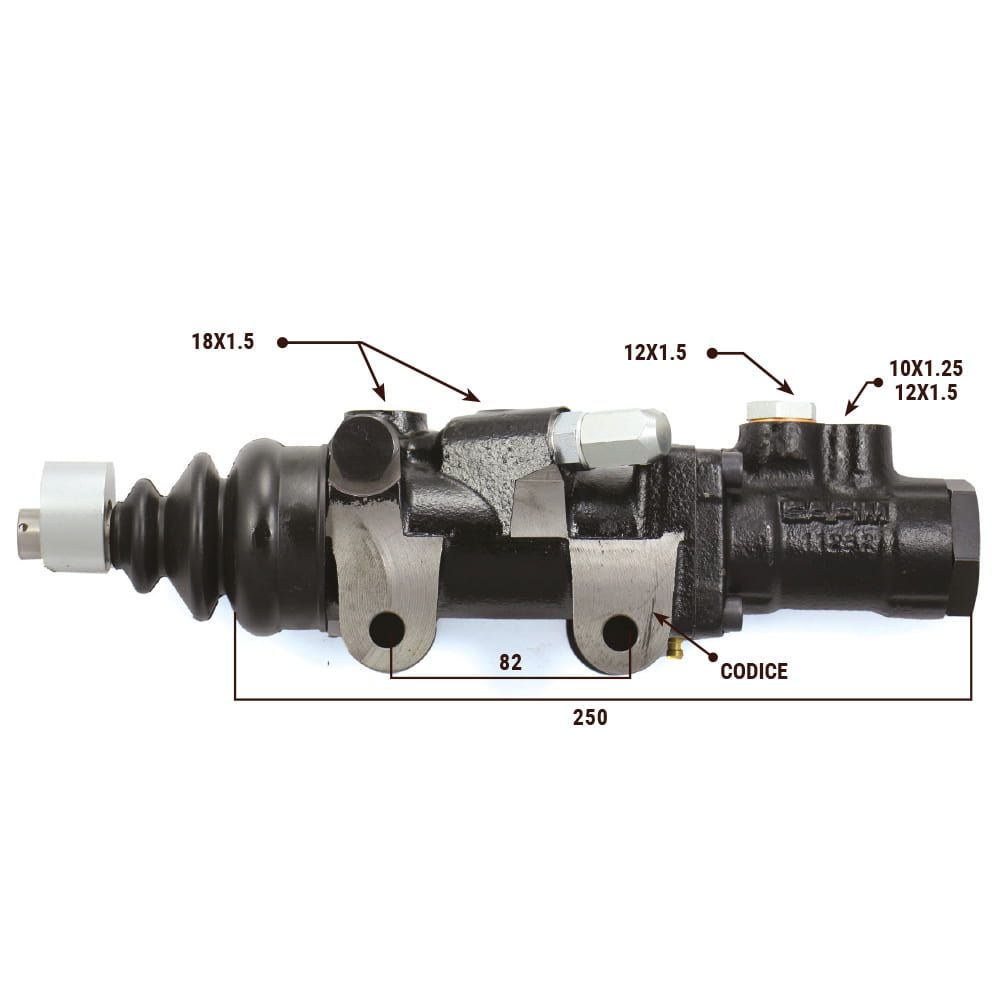
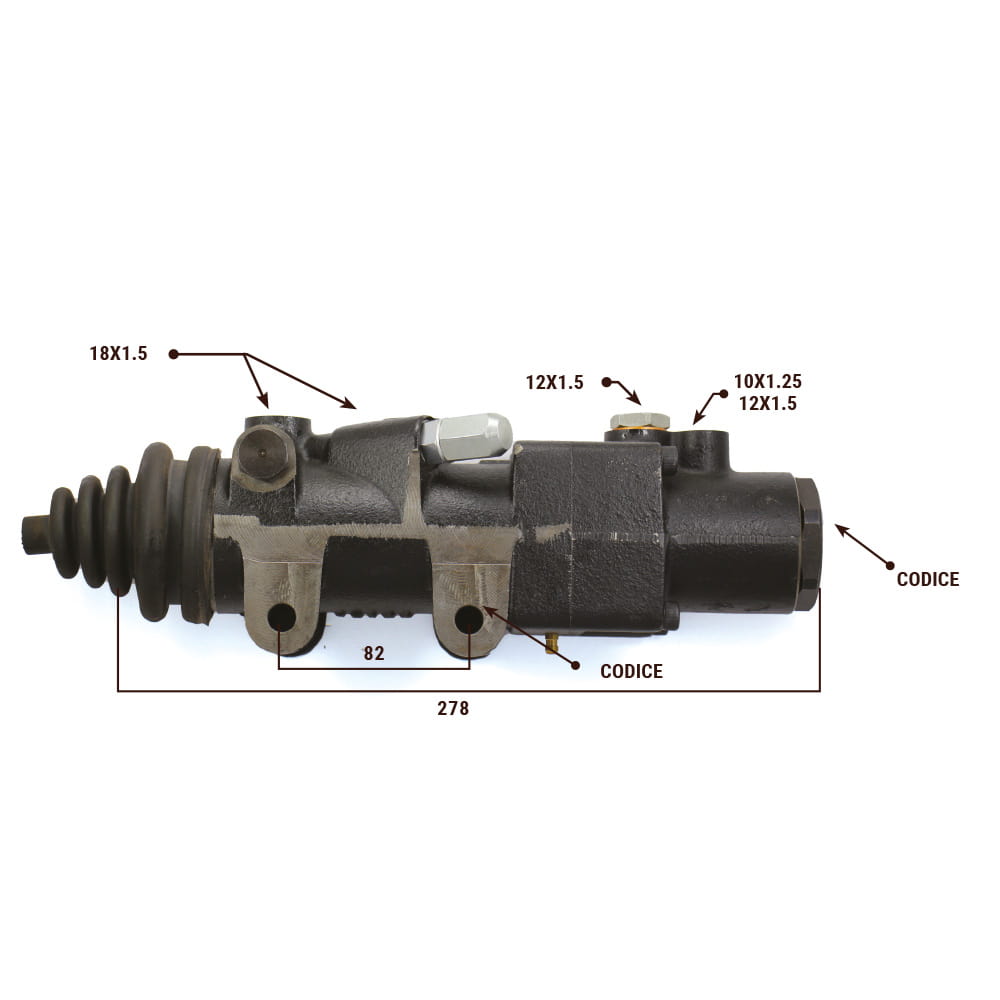
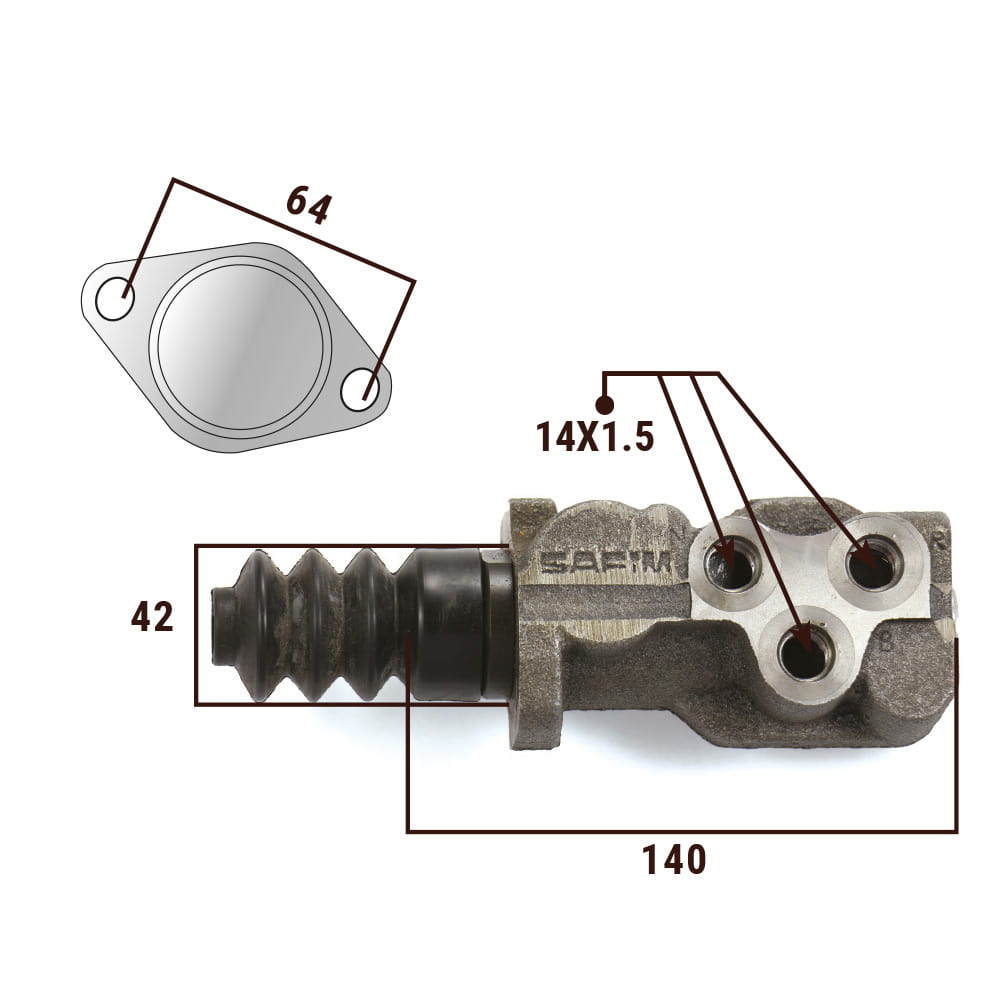
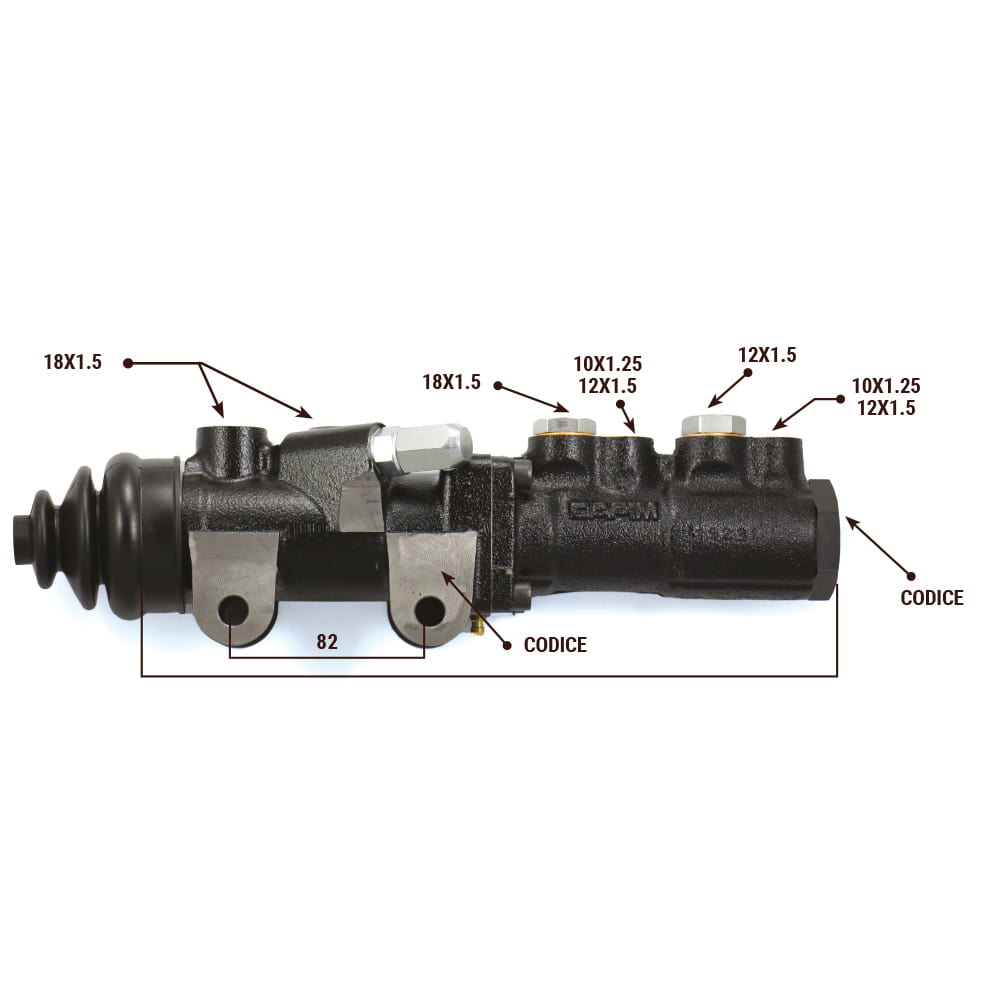
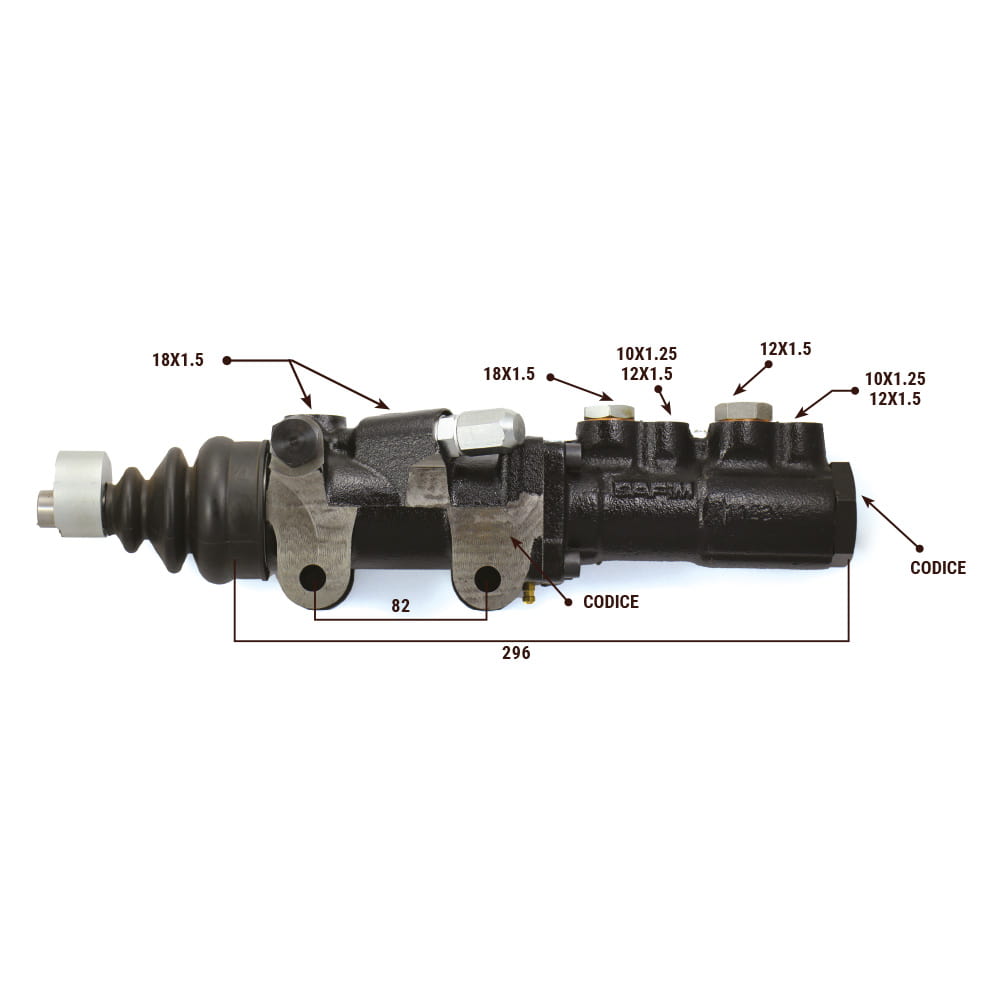
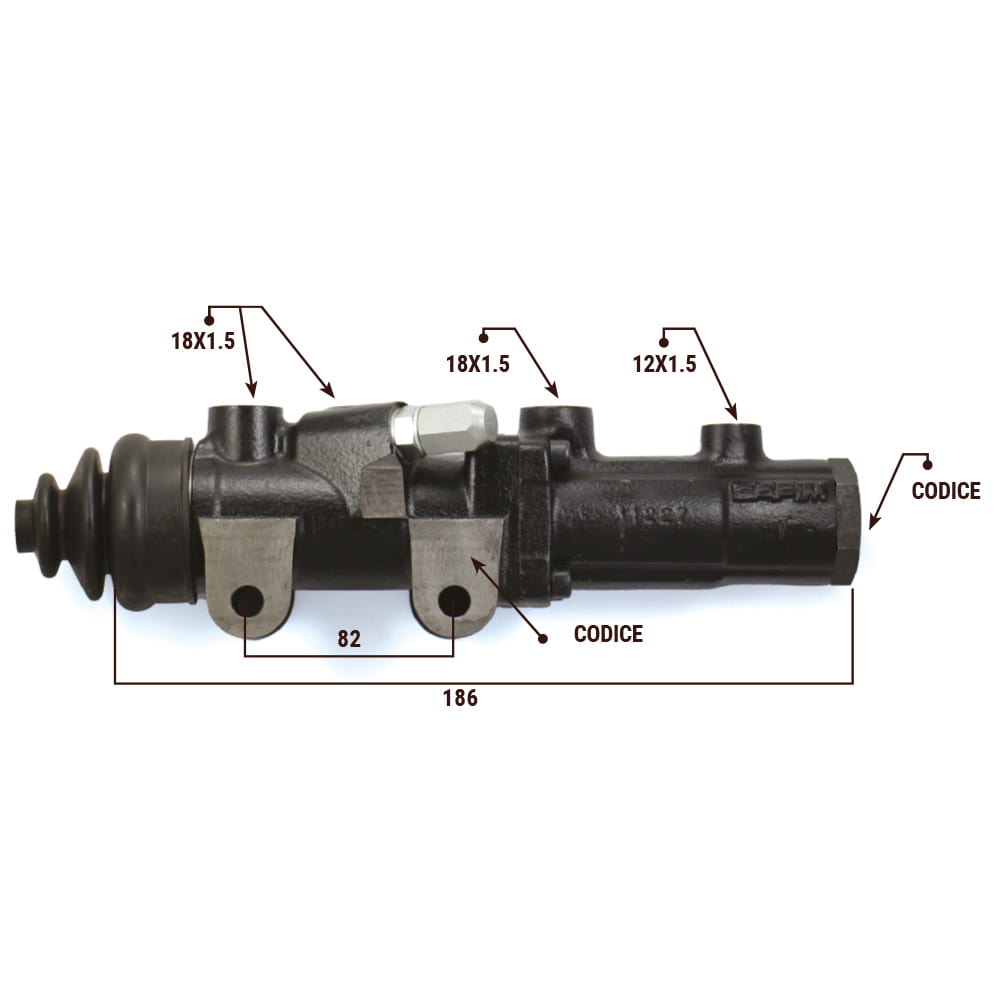
When working on a braking system—especially on industrial or agricultural vehicles—correctly identifying the component is essential. One of the most critical steps is locating the Safim code, which is indispensable for ordering the correct spare part or verifying compatibility. This article guides you through the correct method to identify these codes without errors.
The first step is to check if the code is stamped directly onto the component.
It is often found:
The marking may be barely visible due to dirt, oxidation, or paint buildup. Before declaring a component “illegible,” it is always advisable to clean it thoroughly.
However, please note: not all numbers on the part represent the product code. Some may refer to production batches or internal reference/marking codes.
Watch the video tutorial below to find the code.
It often happens, especially on older vehicles, that the stamping is worn down or entirely missing. In these cases, identifying the code requires a technical analysis of the component.
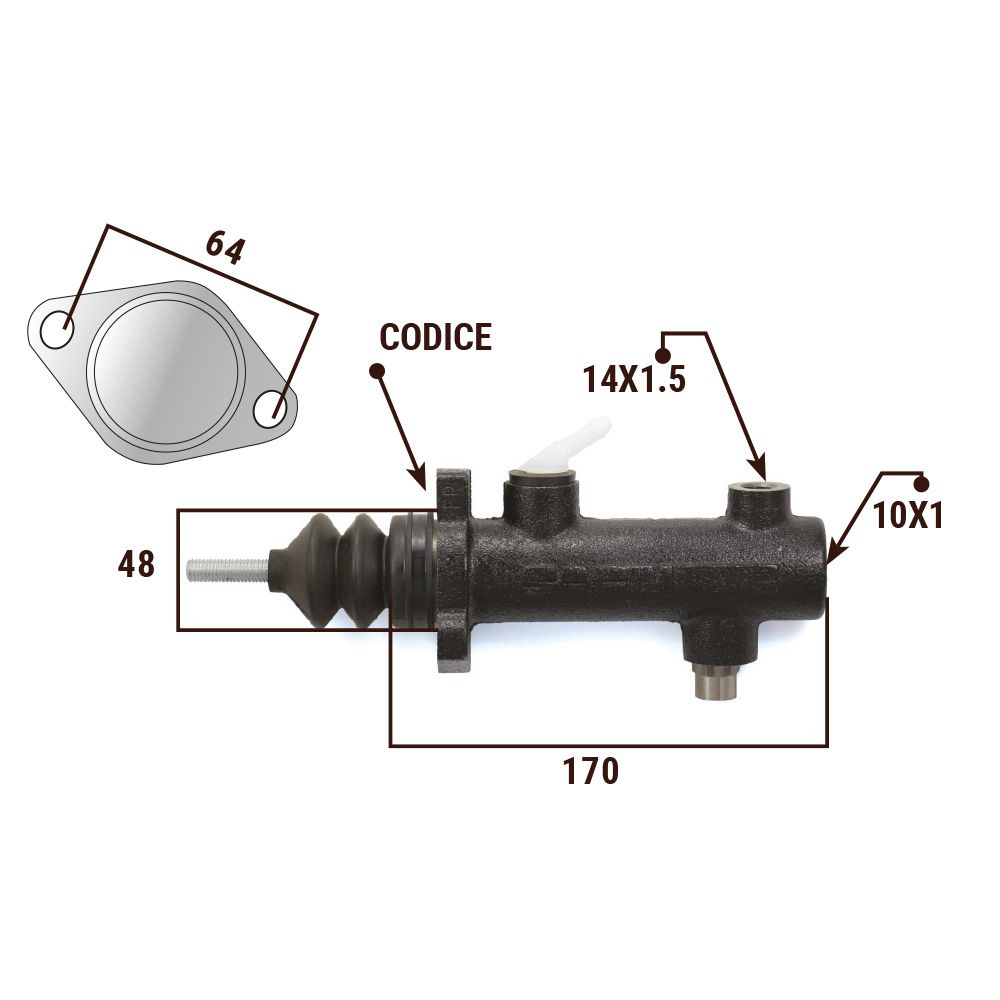
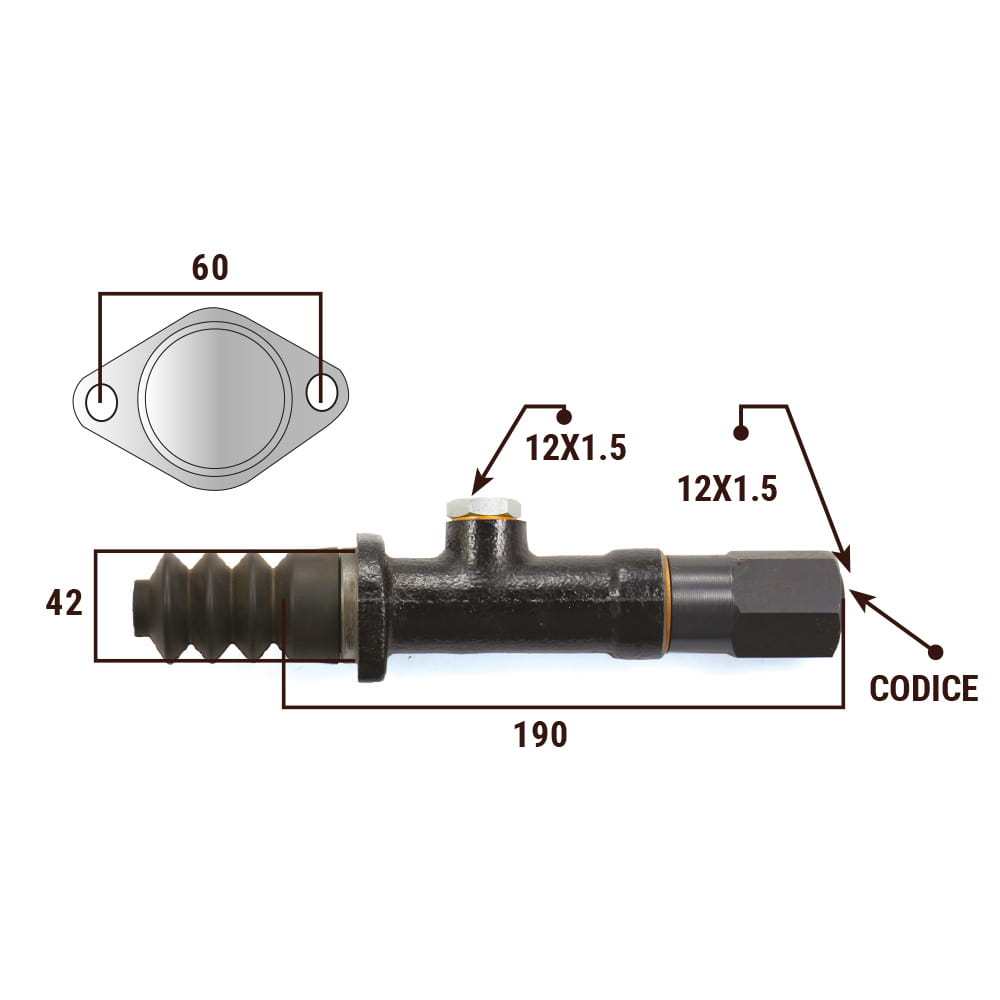
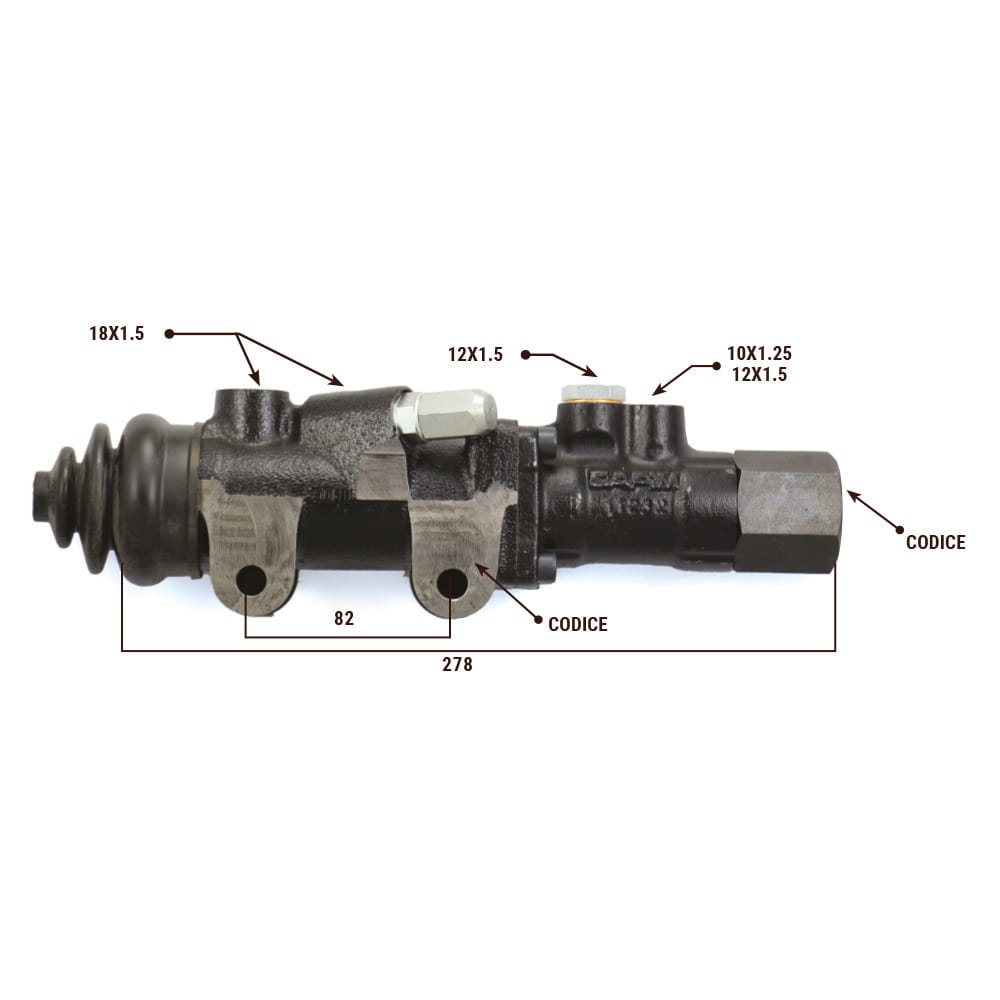
You will need to precisely record:
These data allows to cross-reference the part with technical catalogs or interchange databases.
Over time, many part numbers are updated or superseded. It can happen that the code shown on the component is no longer active and has been replaced by a new part number.
In these situations it is vital to consult:
Relying solely on generic online searches can lead to compatibility errors, especially when dealing with minor yet crucial dimensional variations.
One of the most common mistakes is searching for a code using only the vehicle model as a starting point.
In the industrial and historic automotive sectors, the exact same vehicle may have been fitted with different braking systems over time, depending on the production year or market specifications.
Another frequent error is confusing similar codes (a single different digit can indicate a different diameter).
The rule is simple: never order a part without first verifying the code or the actual measurements of the installed component.
A master cylinder or wheel cylinder with the wrong diameter alters the hydraulic pressure of the entire system. This can compromise pedal response, braking balance, and the overall safety of the vehicle.
In classic car restoration or industrial vehicle maintenance, accurate code identification is not just a matter of technical precision—it is a responsibility.
If the code is illegible or you are unsure about component compatibility, contact Golinelli Freni.
The team can assist you in identifying the correct Safim reference, verifying cross-references, and supplying the most suitable spare part for your braking system.
Correct identification today means safety and reliability tomorrow.