Classic and historic car certifications: what they are and how to obtain them


Historic and classic car certifications represent a fundamental milestone for owners a heritage vehicle and wishes to enhance its value, protect its legacy, and, in many cases, benefit from tax concessions and dedicated insurance rates 

So, what certifications are officially recognized in Italy? And what requirements must a car meet to qualify? In this guide, we break down the categories, requirements, and the exact steps involved.

When is a car considered historic or classic? 

Before diving into certifications, it is essential to clarify the legal distinction under Italian law:

  • Historic Car (Auto storica): A vehicle at least 20 years old, maintained in compliance with its original specifications, which remains eligible for regular road use.
  • Vintage Car (Auto d’epoca): A vehicle officially deregistered from the PRA (Public Register of Motor Vehicles - and Motor Vehicle Taxes), intended exclusively for exhibitions, parades, or rallies, and barred from ordinary road traffic.

Most owners aim for the status of “vehicle of historical and collector’s interest”, which allows them to continue driving on public roads while accessing dedicated tax and insurance incentives. 

The main certifications for historic vehicles

In Italy, official certifications are issued by State-recognized institutions.

1. The Italian Historic Automotoclub (ASI - Automotoclub Storico Italiano)

This is the most prominent and widely recognized institution. It issues:

  • CRS (Certificato di Rilevanza Storica): The Certificate of Historical Relevance, is the document required to obtain the historic vehicle annotation on the registration certificate (carta di circolazione).
  • Certificate of Identity (Targa Oro / Gold Plaque): A prestigious recognition of historical accuracy and authenticity.
  • Historic vehicle compliance approvals


2. Italian Motorcycle Federation (FMI - Federazione Motociclistica Italiana

The official registry for historic motorcycles and mopeds, though deeply integrated into the broader heritage motoring community.

3. Italian Alfa Romeo Registry (Registro Italiano Alfa Romeo)

4. Italian Fiat Registry (Registro Italiano Fiat)

5. Italian Lancia Registry (Registro Italiano Lancia)

These are officially recognized marque registries. They issue model-specific certifications that are often highly detailed and widely valued in the event of a sale or when participating in official brand events. 


Requirements to qualify for certification

To obtain historic certification, a car must meet a number of key criteria:

Age: A minimum of 20 years from the vehicle's first registration (for recognition as a vehicle of historical interest).

Originality:

  • Bodywork must conform to the original model.
  • Paint colors must be period-accurate.
  • Interior, engine, and mechanical components must be as original as possible, or faithful to the original factory specifications.


Good condition of preservation or proper restoration

A restoration that strays from factory specifications may jeopardize the certification process. 

Step-by-step: how to obtain ASI Certification

The procedure generally involves the following steps:

  1. Enrollment in an ASI-affiliated club.
  2. Document Gathering
    • Detailed photographs of the vehicle
    • Copy of the logbook/vehicle’s registration
    • technical data
  3. Completion and Submission of the Application Form 
  4. Technical Inspection
  5. Certificate Issuance

Processing times can vary from a few weeks to several months.

What does the certification actually offer? 

Securing a historic vehicle recognition unlocks come with several key benefits:

  • Reduced road tax/vehicle registration tax (reductions varying by region)
  • Preferential insurance rates 
  • Higher market value 
  • Access to official rallies and heritage events
  • Long-term preservation of the vehicle


The critical role of period-correct (or period-faithful) spare parts

One of the most delicate aspects of the certification process concerns the conformity of mechanical components to original specifications. 

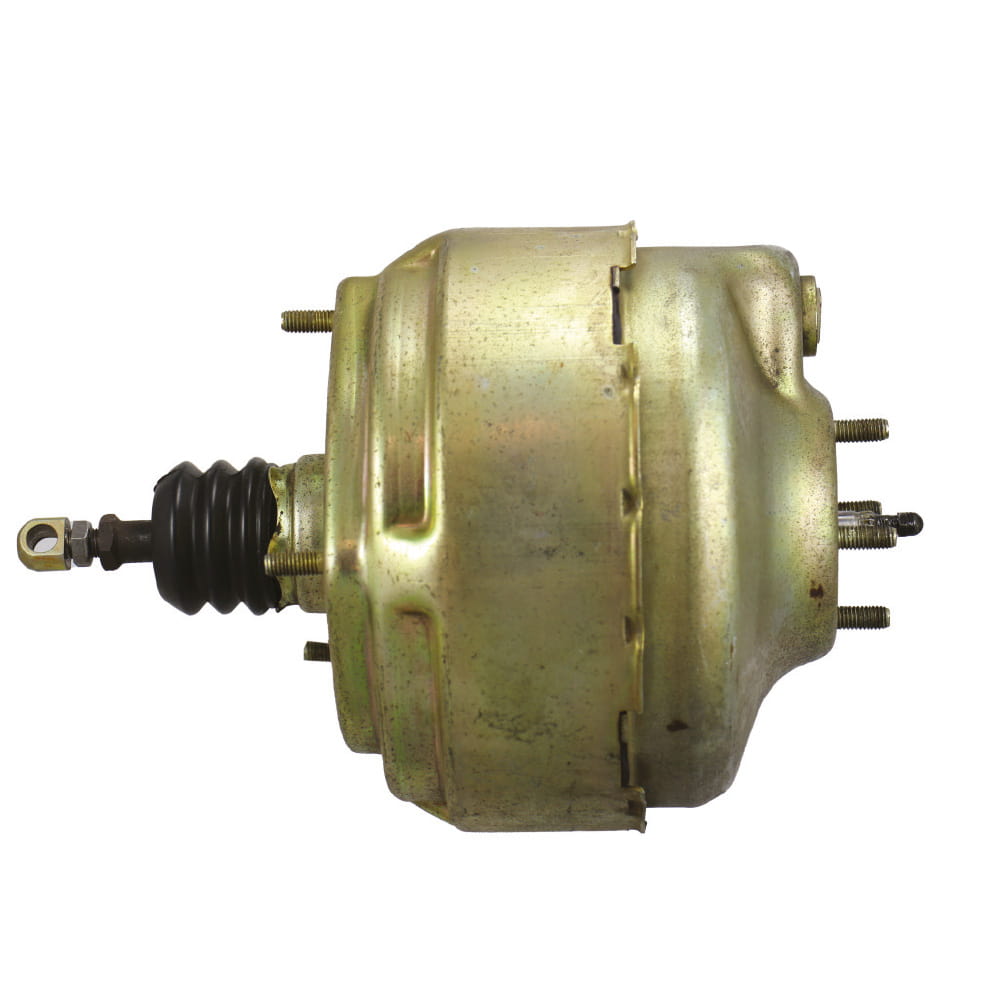
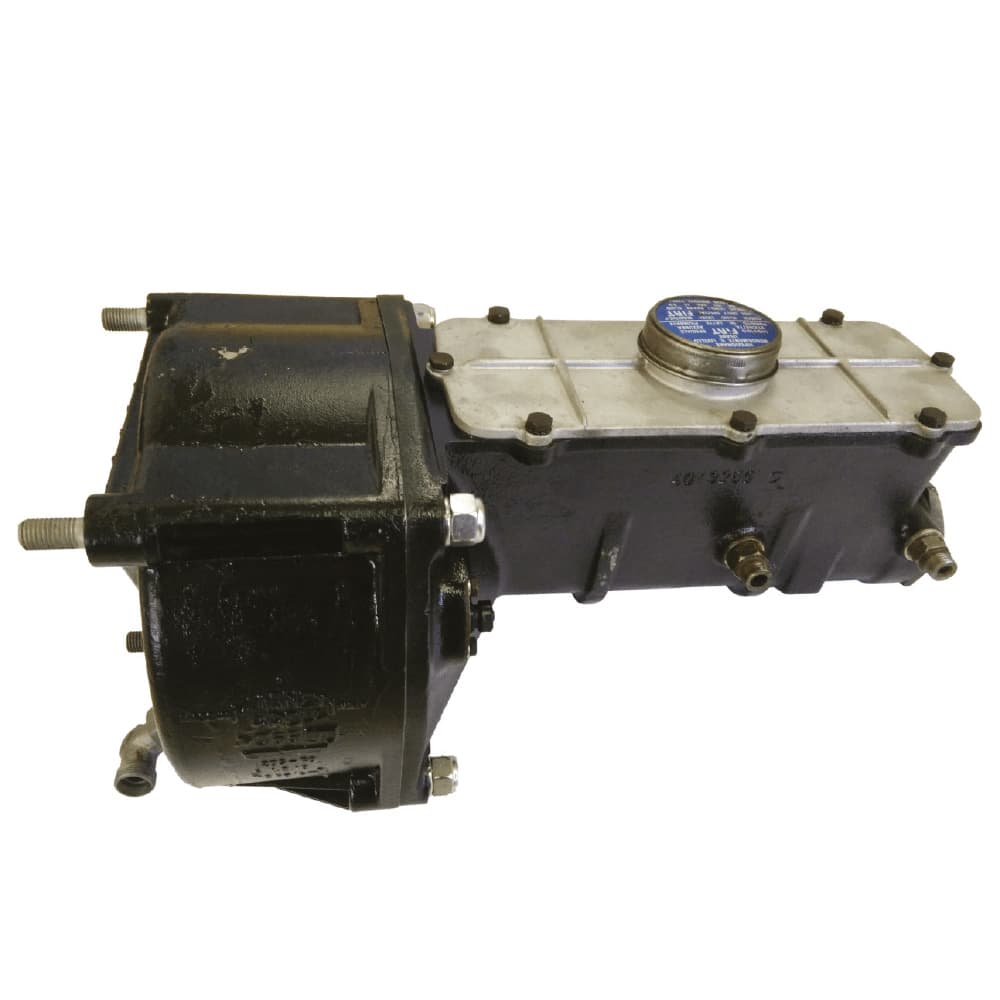
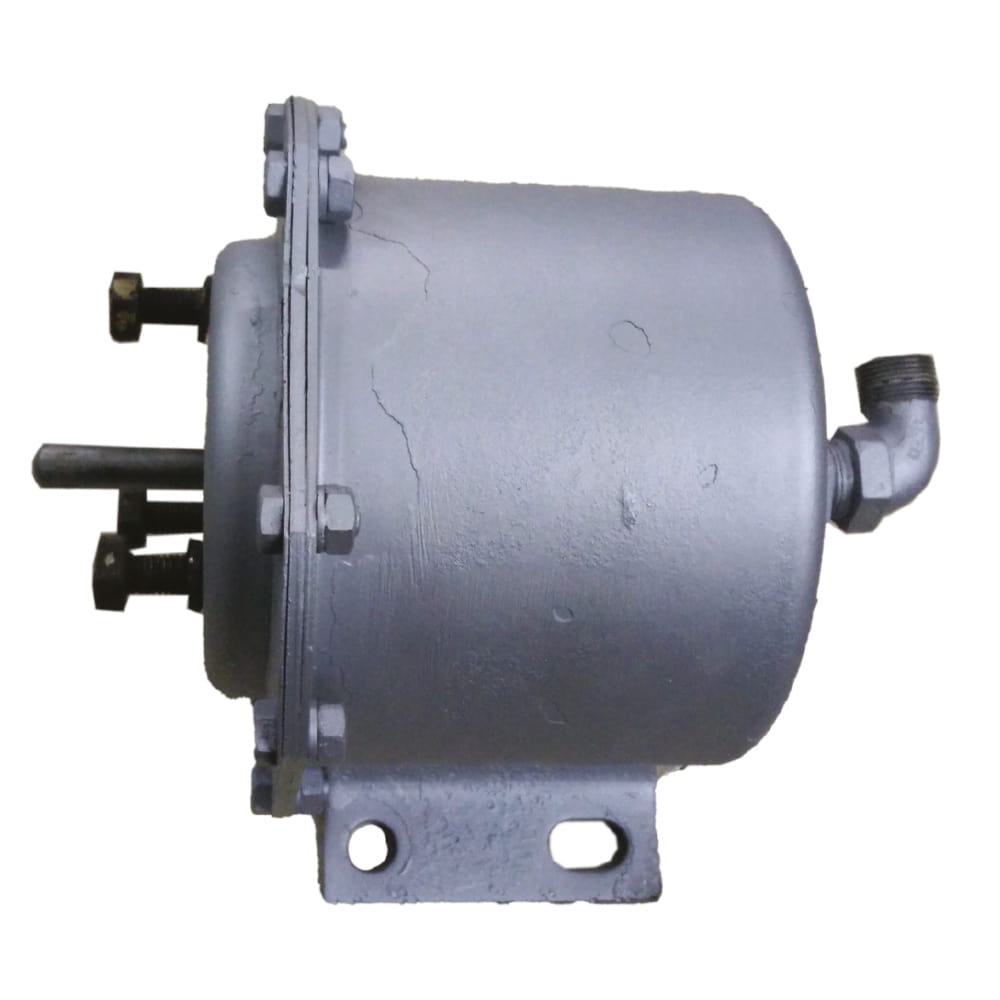
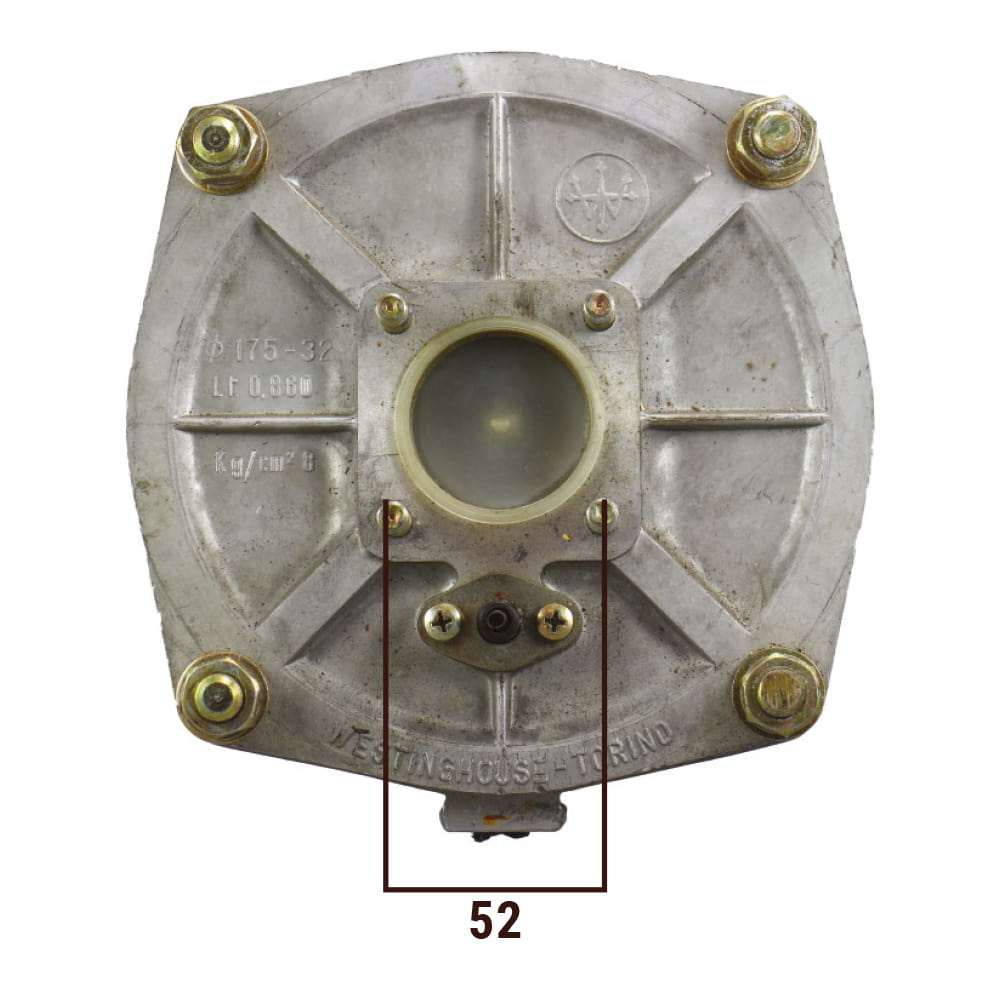
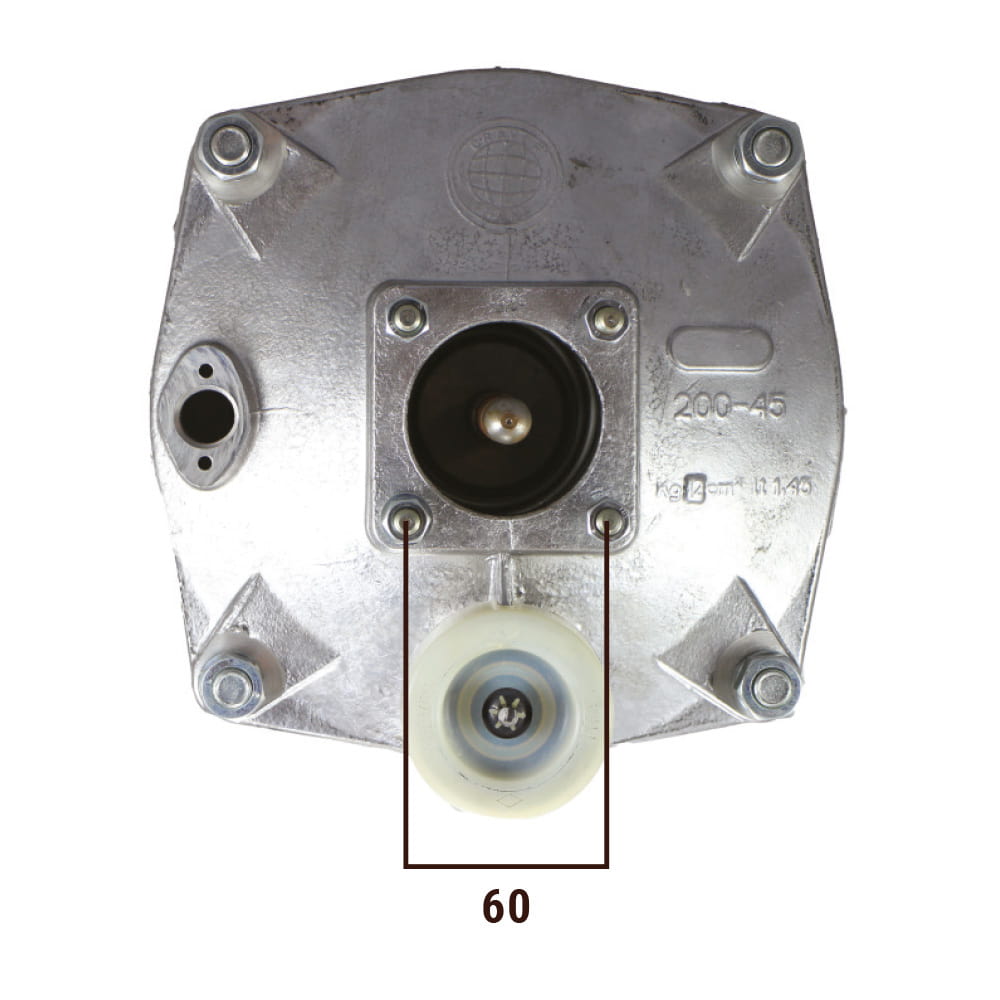
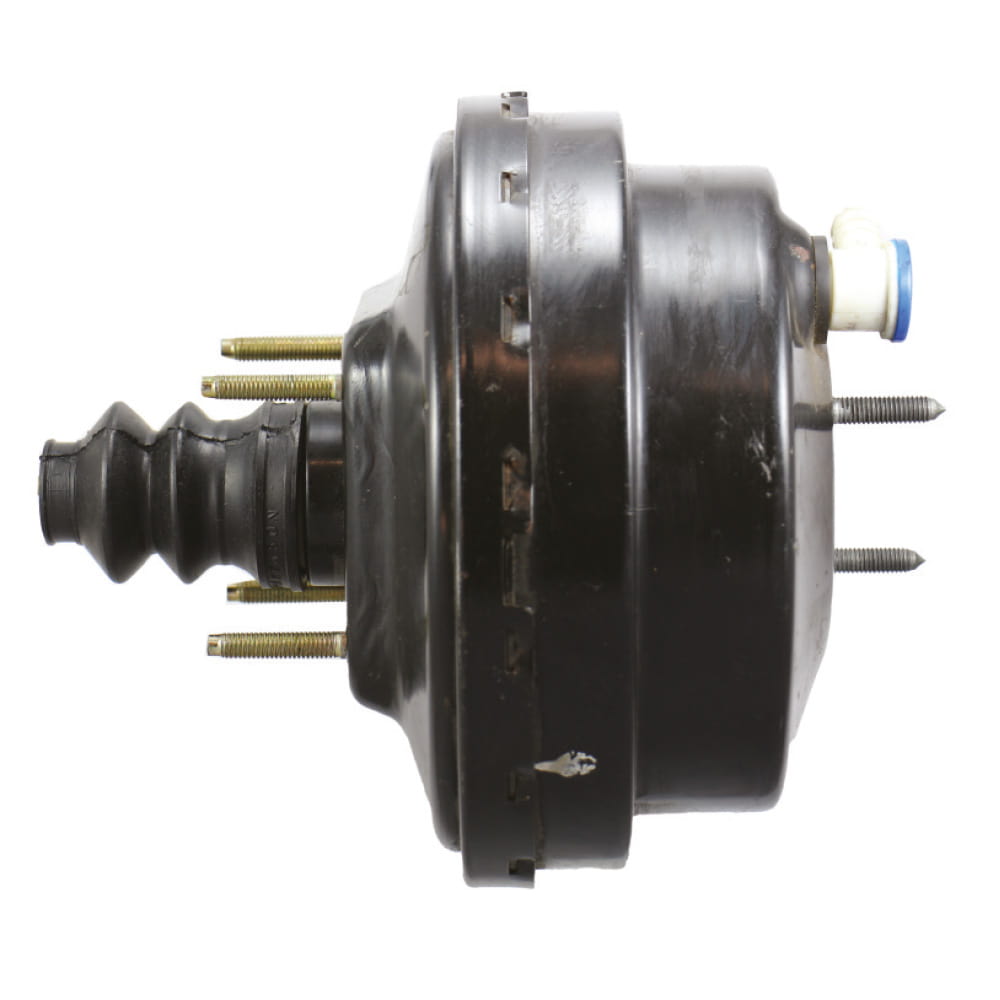
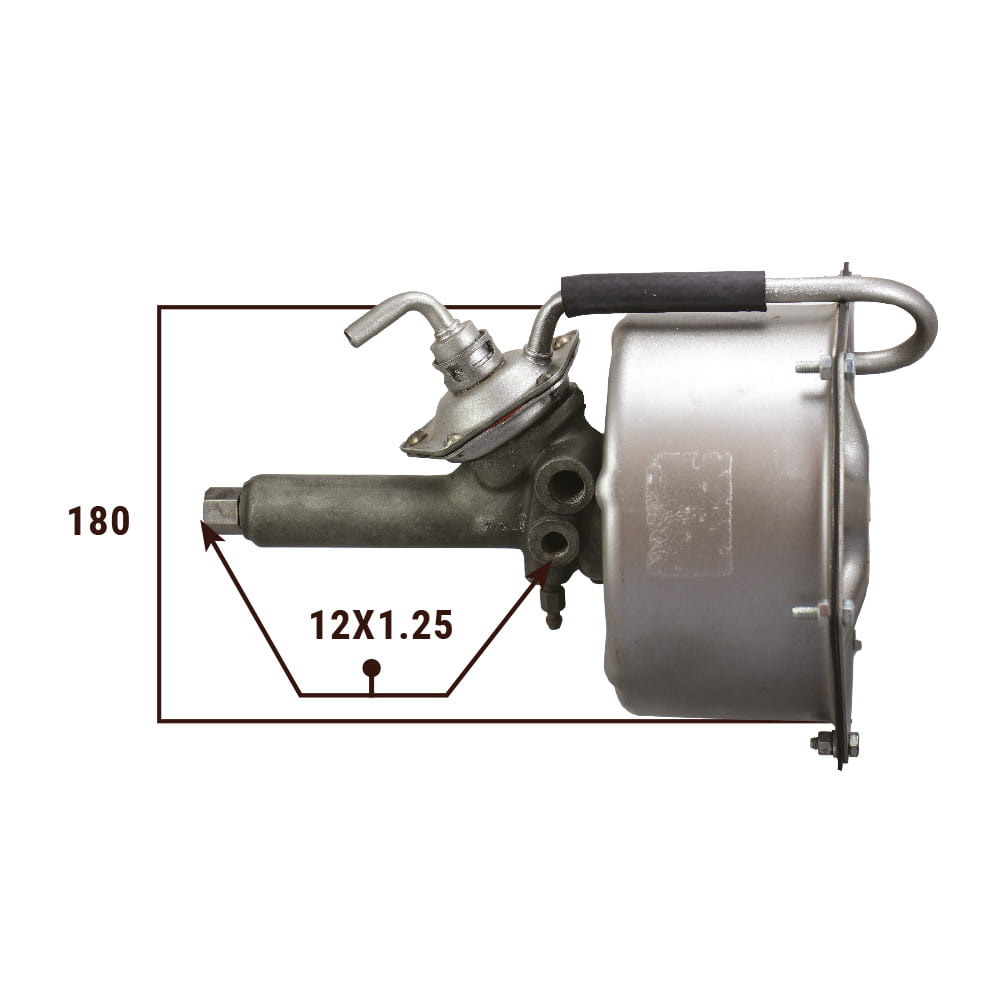
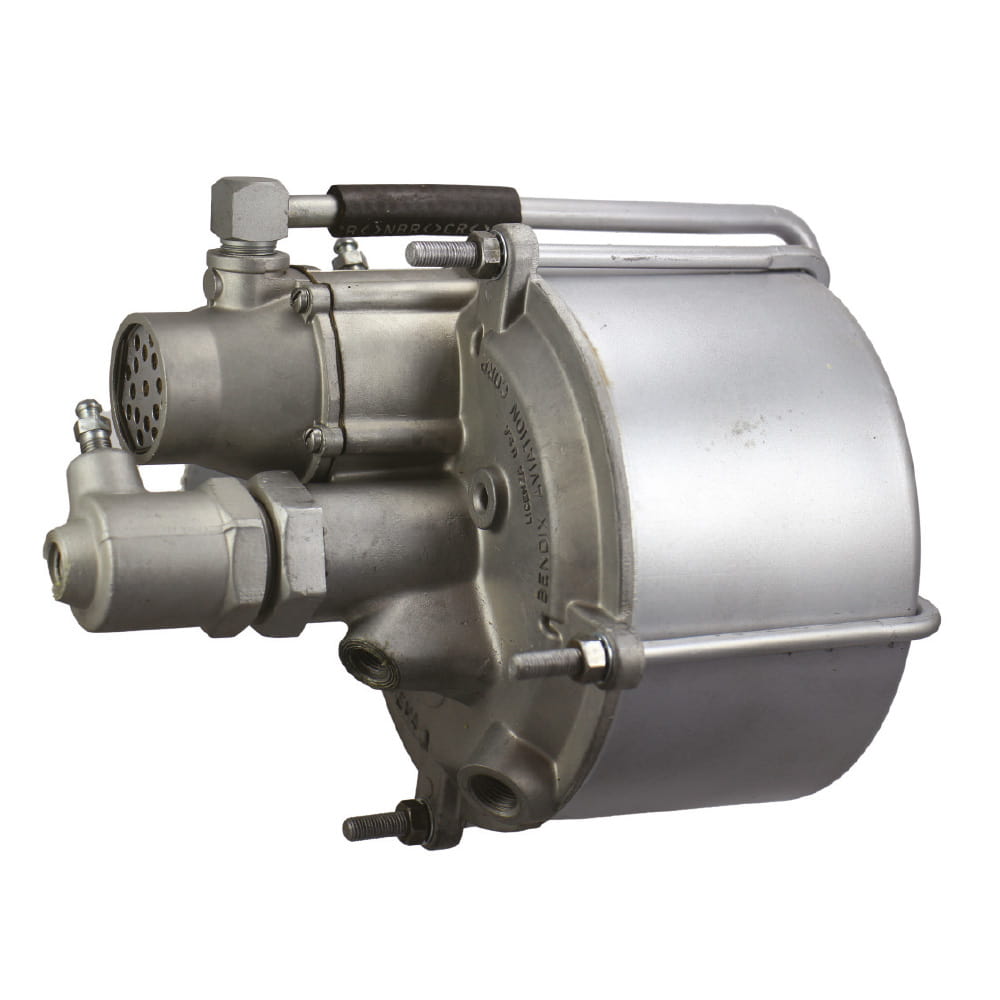
Brakes, suspension, and the entire braking system must strictly respect the technical characteristics of the era. Using non-compliant parts can endanger the certification outcome or reduce the level of certification achievable.

For those restoring a historic vehicle who wish to have it certified, choosing the right partner is essential. Relying on period-faithful components means: 

  • Increasing the likelihood of obtaining certification.
  • Preserving the historical integrity and value of the vehicle.
  • Ensuring safety and reliability on the road.

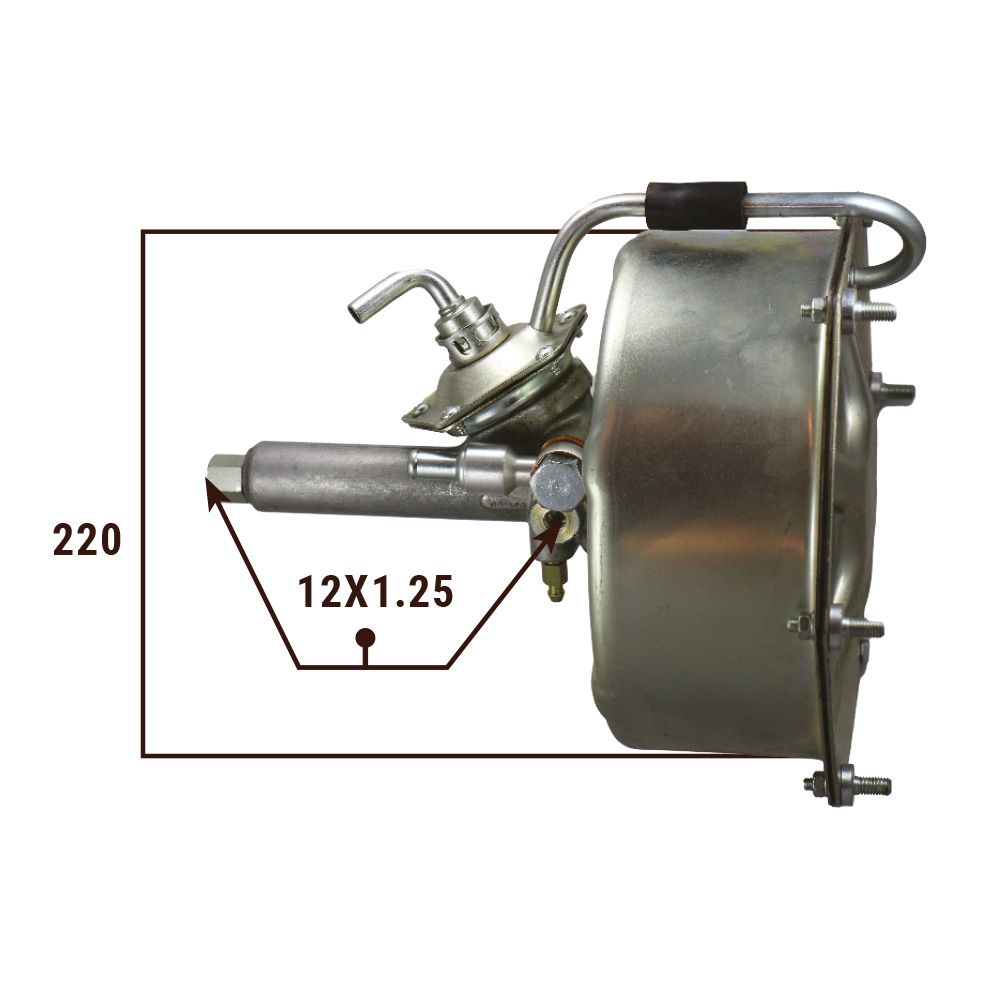
Golinelli Freni specializes in manufacturing and supplying premium braking components for classic and vintage cars, meticulously crafted in respect of original factory specifications.

Leveraging decades of industry expertise and a profound understanding of heritage motoring needs, the company supports restorers, collectors, and specialized workshops in finding technical solutions that align perfectly with the rigorous standards of certifying bodies.

2026 © Golinelli Freni di Masetti Micas - P.iva 04170770368
magnifier linkedin facebook pinterest youtube rss twitter instagram facebook-blank rss-blank linkedin-blank pinterest youtube twitter instagram